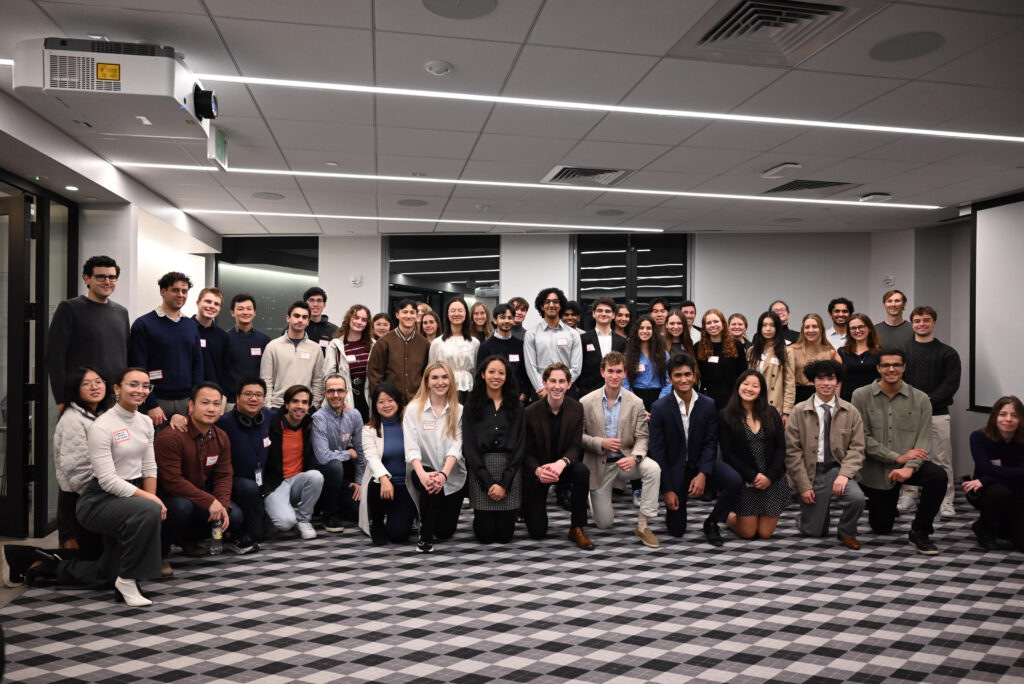
Aging-US proudly sponsored the Future of Aging Research (FAR) Mixer 2025, hosted by the Aging Initiative on November 7 in Cambridge, MA, uniting students, researchers, and biotechnology leaders to advance aging research and shape a healthier, longer-lived future.
Highlights from the FAR Mixer 2025
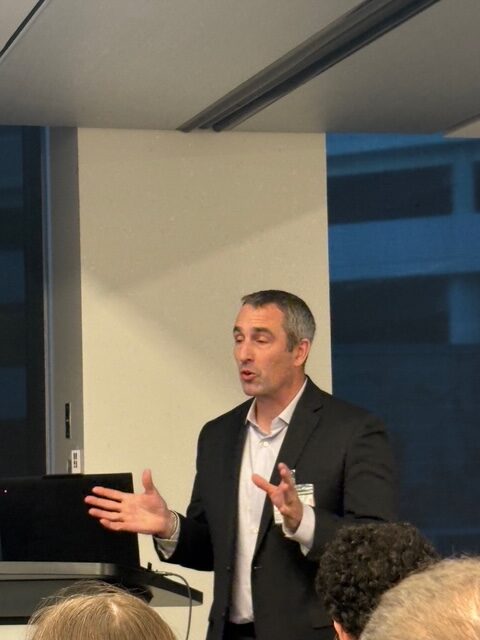
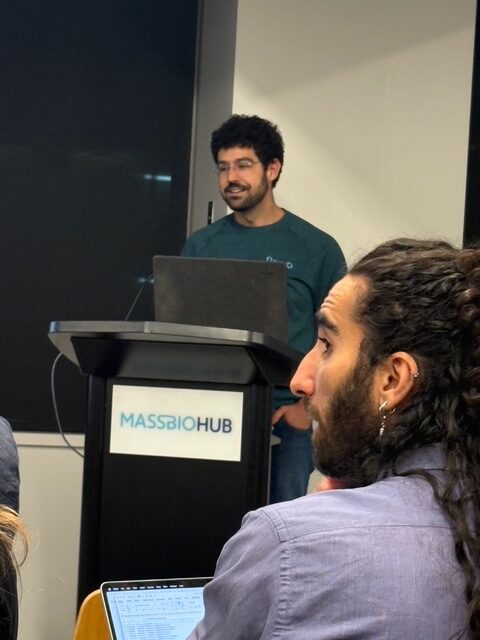
The 2025 FAR Mixer featured keynote speaker Dr. Kristen Fortney, Co-Founder and CEO of BioAge Labs, who shared insights into how translational research and clinical pipelines have evolved over the past decade.
Dr. Fortney highlighted how obesity-targeting drugs are opening new avenues for metabolic and aging research. She explained that while obesity and osteoporosis are currently major therapeutic priorities, the next wave of reimbursable diseases will likely focus on muscle loss and chronic inflammation, reflecting their growing recognition as key factors in healthy aging.
She also emphasized the importance of human databases in target discovery, cross-sector partnerships between pharma and biotech, and the increasing focus on small-molecule interventions to address age-related diseases.
Focus talks showcased the diversity and depth of modern aging research:
- Dr. Brad Manor (Senior scientist & Director of the Mobility and Falls Program at the Hinda & Arthur Marcus Institute for Aging Research, faculty member in medicine at Harvard Medical School, and Beth Israel Deaconess Medical Center) explained how balance and fall prevention in older adults are tightly linked to cognitive function, presenting dual-task gait assessments as meaningful biomarkers of brain health. These assessments measure how walking performance changes when combined with a thinking task, such as counting backward or naming words.
Dr. Manor also noted that noninvasive brain stimulation (tDCS) targeting cognitive-motor regions can enhance dual tasking and mobility in older adults, emphasizing the need for more precise and personalized applications in the future.
- John Bailey (Head of hardware at Until Labs) discussed the challenges of cryopreservation, such as achieving sufficient cooling speed, temperature uniformity, and avoiding toxic concentrations of cryoprotectants. He then described recent innovations in medical hibernation and the development of advanced electromagnets for rewarming large cryopreserved samples; technology that could revolutionize organ donation and long-term tissue preservation.
- José Luis Ricón (Head of Theory at Retro Biosciences) described how cell and tissue replacement strategies could extend healthy lifespan by targeting core mechanisms of aging. He explained that Retro’s approach focuses on developing interventions capable of stopping or even reversing disease progression, aiming for substantial and measurable improvements in health outcomes.
- Dr. Martin Borch Jensen (CEO of Gordian Biotechnology) reflected on the challenges and promise of mosaic screening technologies for identifying interventions that could add years of healthy life.
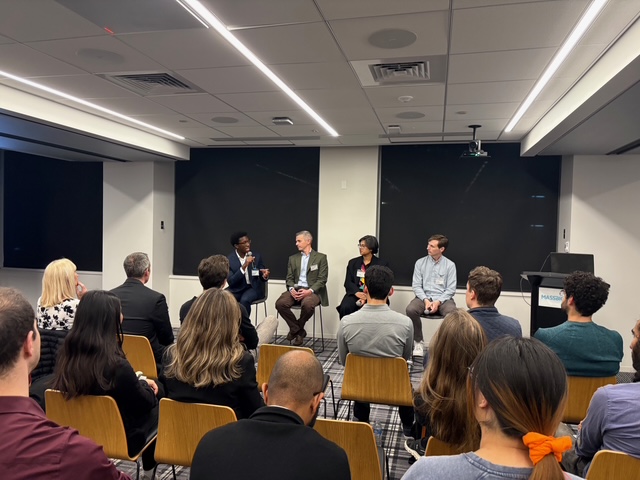
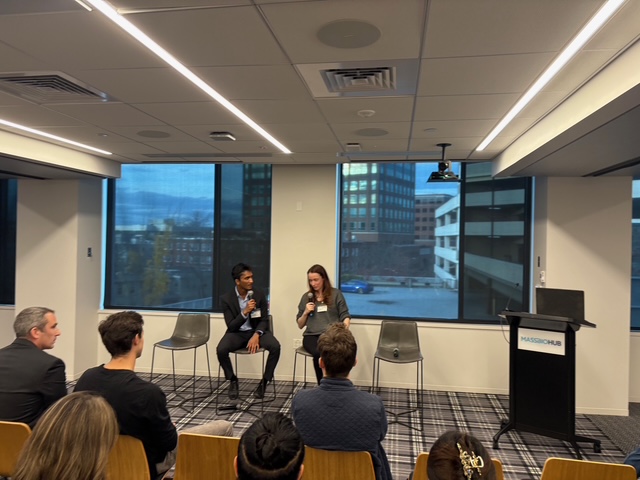
The Biotech Investing & Startups Creation Panel featured Dr. Alex Colville (Co-founder and General Partner at age1 VC), Dr. Nabiha Saklayen (Co-Founder & CEO of Cellino Biotech) and Dr. Matthew Hammond (Partner at RA Capital Management). The discussion was centered around the future of venture investment in longevity, the role of AI in cell therapy manufacturing, and advice for young scientists entering the biotech field, emphasizing focus, resilience, and sustained enthusiasm.

Supporting Emerging Leaders in Aging Research
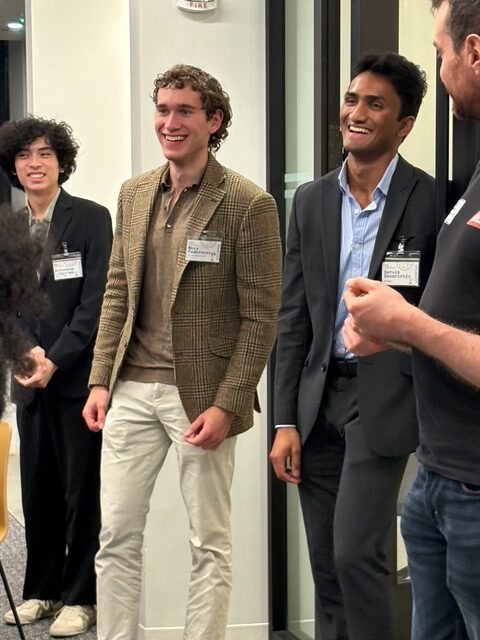
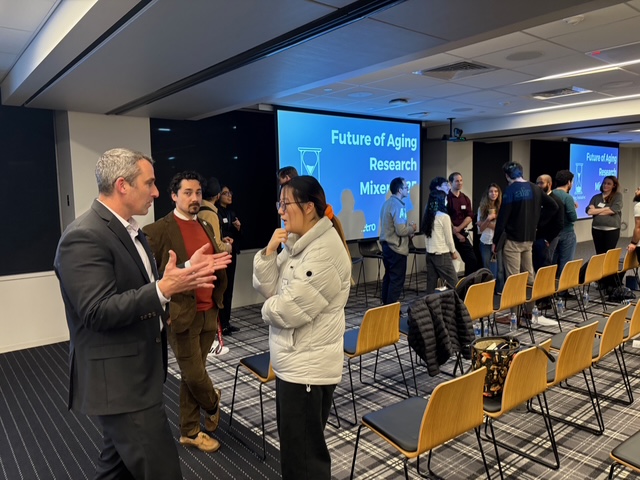
Nearly a hundred participants were present. Attendees included undergraduate, graduate, and postdoctoral researchers, alongside industry professionals and early-stage entrepreneurs. Many were returning participants from previous events, proof of a growing and dedicated community.
Through its sponsorship, Aging-US reaffirmed its mission to support and connect the next generation of aging researchers. The event extended networking opportunities, enabling attendees to exchange ideas and discuss new research directions.
The Aging Initiative, now officially recognized as a 501(c)(3) organization, continues to strengthen this community through programs such as journal clubs, lectures, and mentorship events. Future plans include participation in Massachusetts’s DRIVE Initiative (Discovery, Research, and Innovation for a Vibrant Economy) and organizing the upcoming NOVA Conference on the Neuroscience of Vitality and Aging in April 2026.
Our Commitment to Advancing Aging Research
Founded in 2008 by visionary scientists—the late Dr. Mikhail (Misha) Blagosklonny, the late Dr. Judith Campisi, and Dr. David Sinclair, Aging-US was created as a journal by scientists, for scientists, to publish innovative ideas and studies in the rapidly developing field of aging research. Since then, it has remained dedicated to advancing the understanding of aging and age-related diseases.
Supporting initiatives such as the Future of Aging Research Mixer 2025 reflects our belief that progress in aging science depends on collaboration, mentorship, and the open exchange of ideas between academia, industry, and young innovators. By investing in the next generation of researchers, we aim to accelerate discoveries that will lead to longer, healthier lives for all.
Sponsoring this initiative is more than an investment, it’s a commitment to the future of aging science and to the vision of a world where longevity and well-being advance hand in hand.
___
Aging is indexed by PubMed/Medline (abbreviated as “Aging (Albany NY)”), PubMed Central, Web of Science: Science Citation Index Expanded (abbreviated as “Aging‐US” and listed in the Cell Biology and Geriatrics & Gerontology categories), Scopus (abbreviated as “Aging” and listed in the Cell Biology and Aging categories), Biological Abstracts, BIOSIS Previews, EMBASE, META (Chan Zuckerberg Initiative) (2018-2022), and Dimensions (Digital Science).
Click here to subscribe to Aging publication updates.
For media inquiries, please contact [email protected].