Aging-US Supports the NOVA Conference 2026

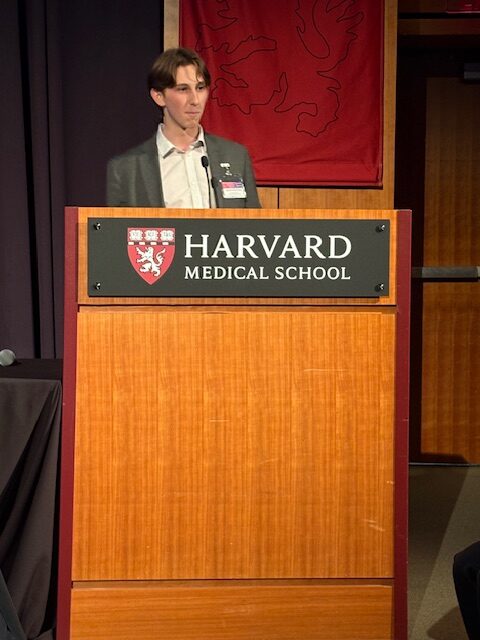
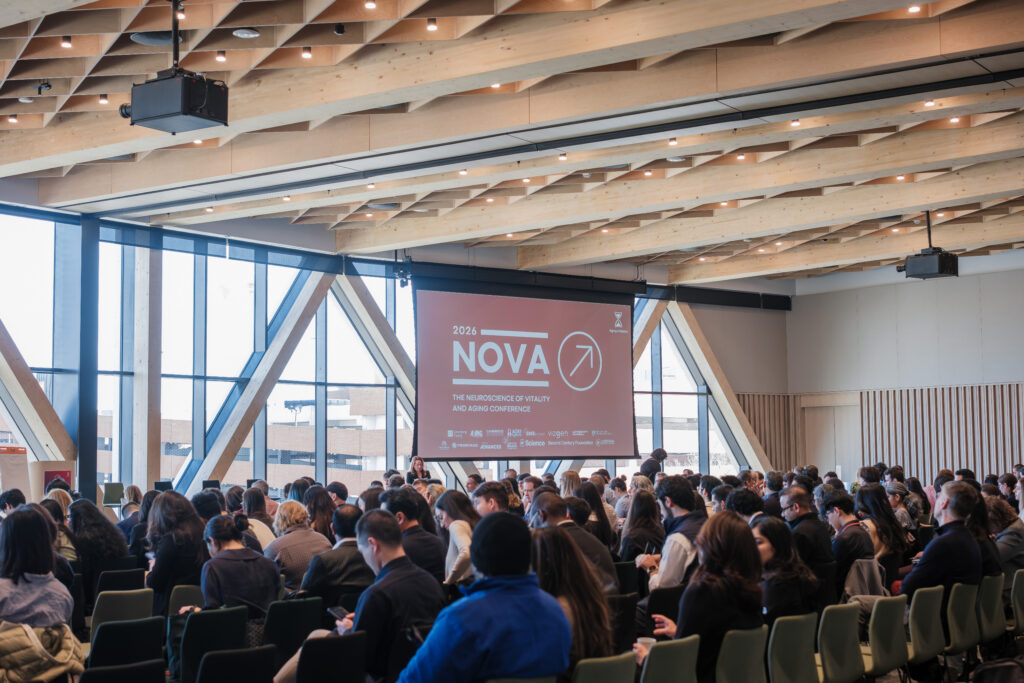
Aging-US proudly sponsored the NOVA (Neuroscience of Vitality and Aging) Conference, hosted by the Aging Initiative on Saturday, April 25 in Boston, MA.

Highlights from the NOVA (Neuroscience of Vitality and Aging) Conference

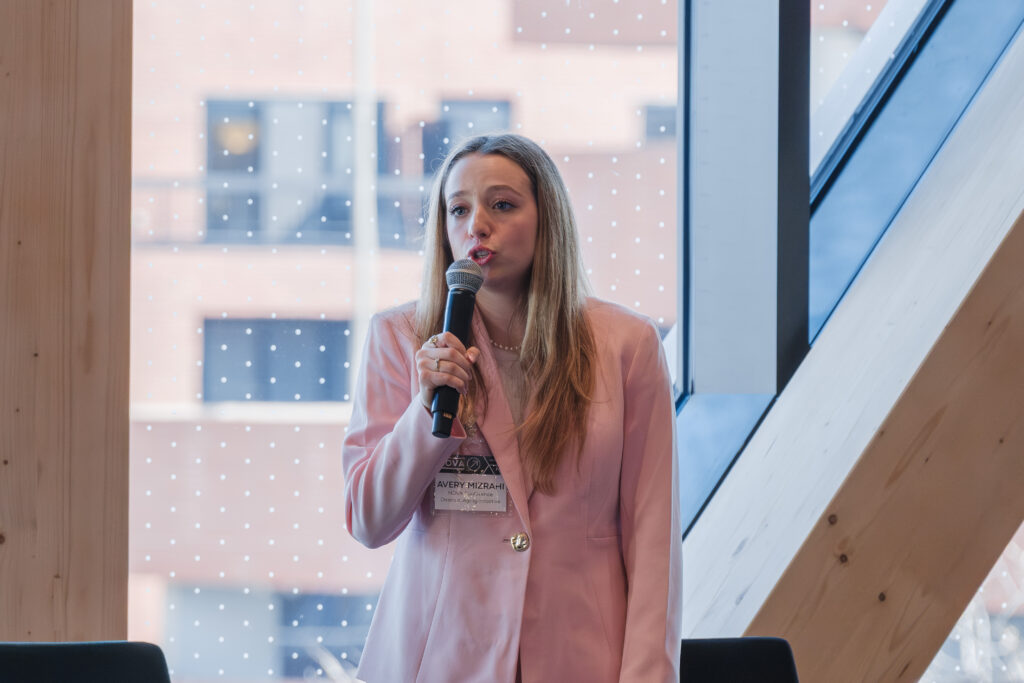
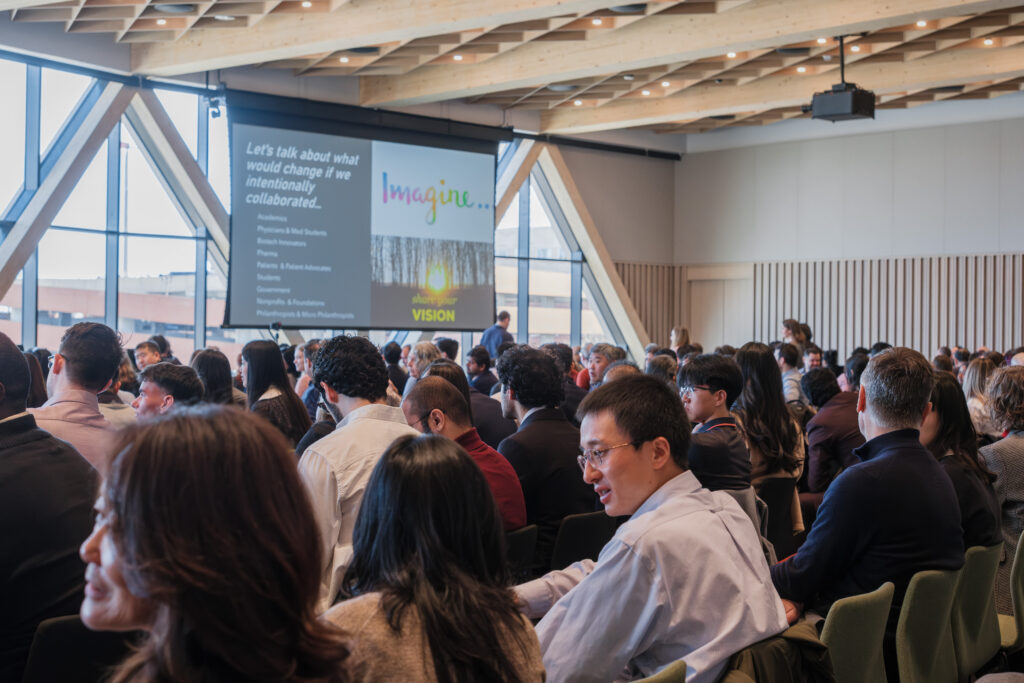
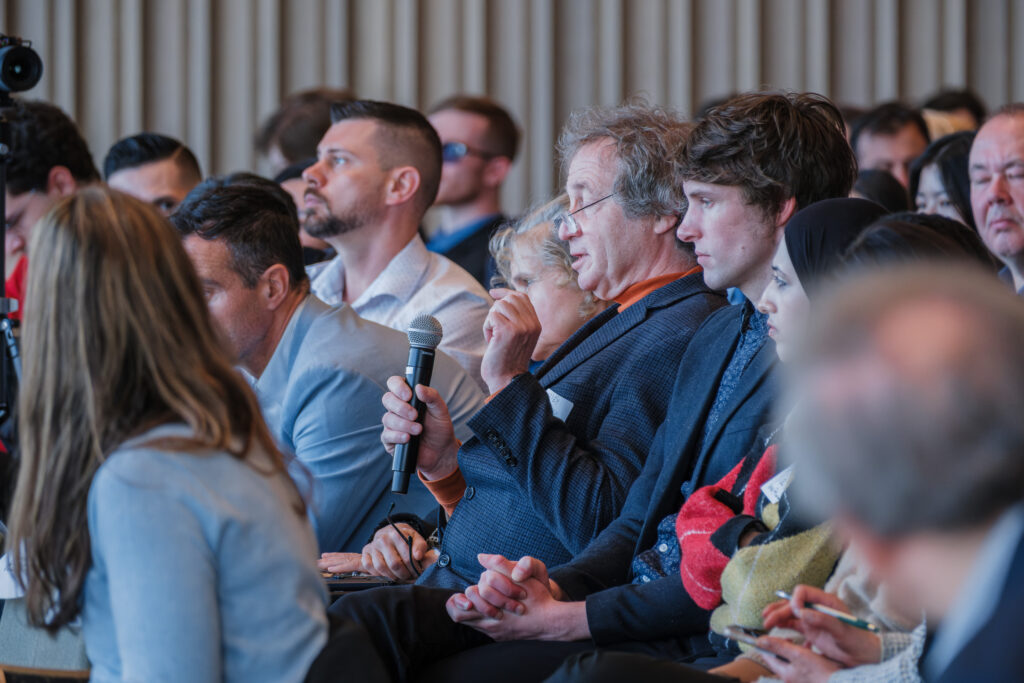
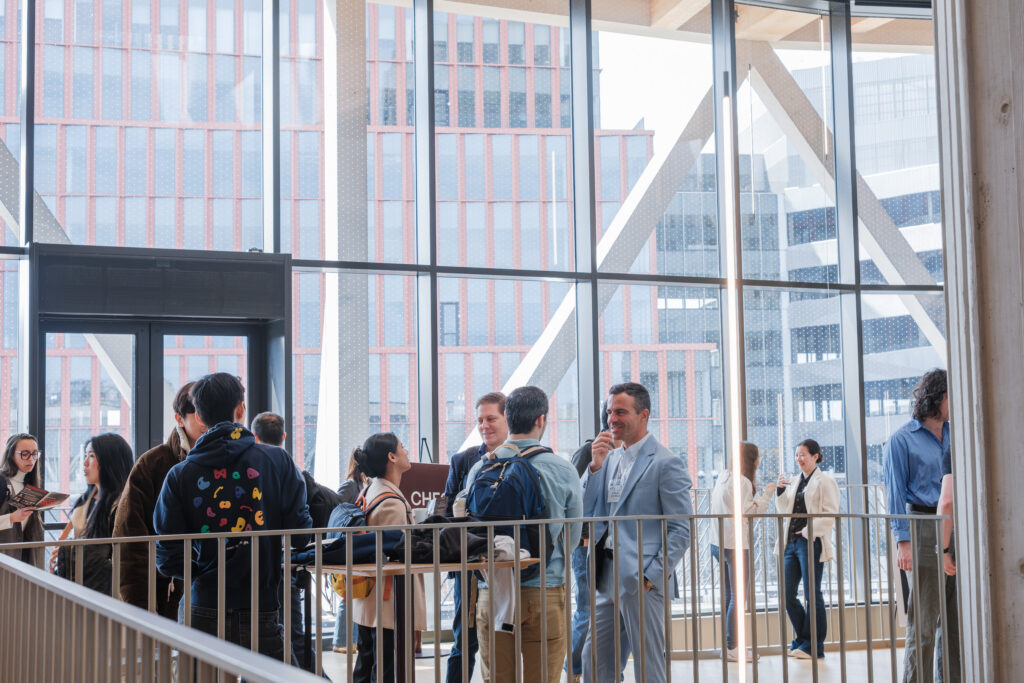
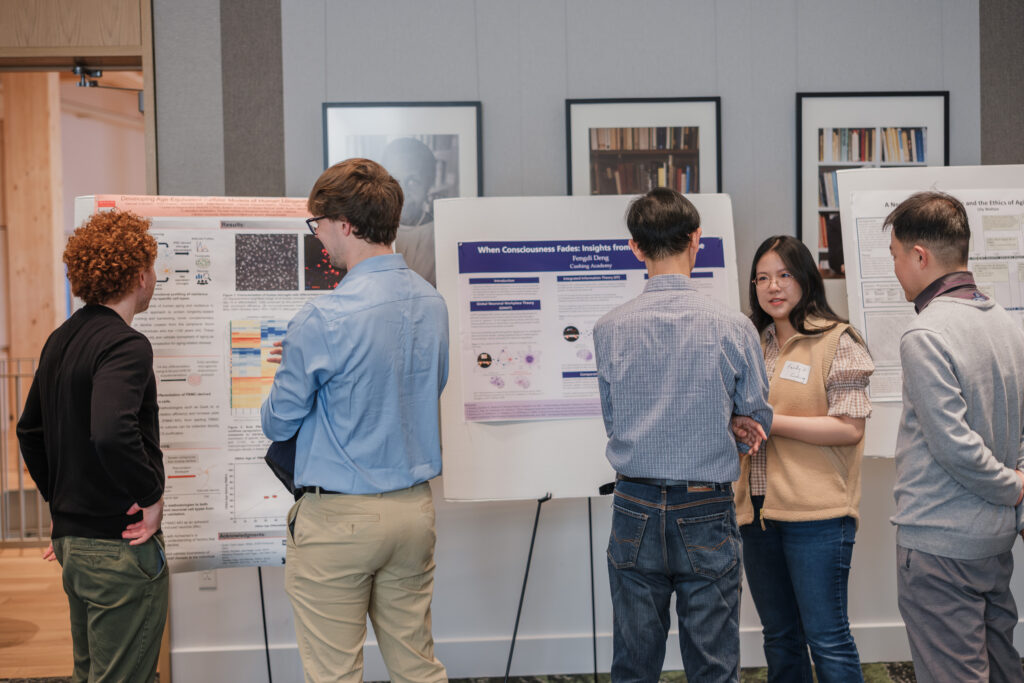
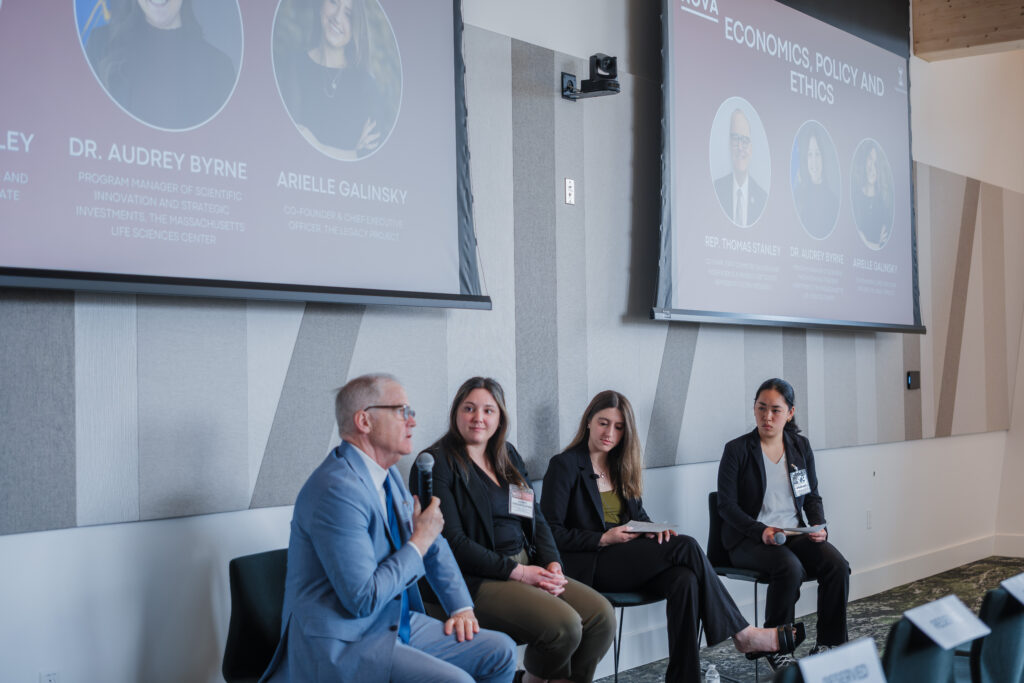
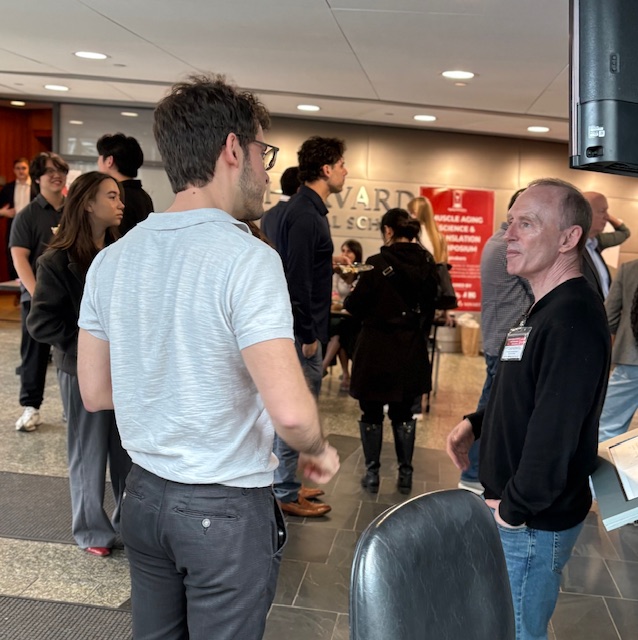
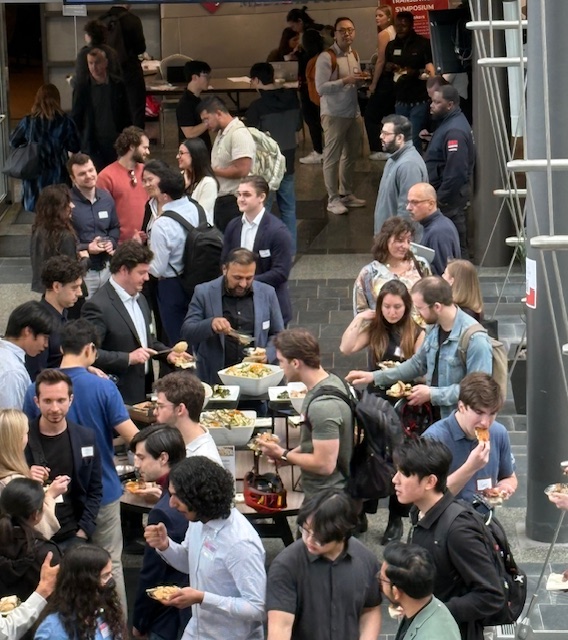
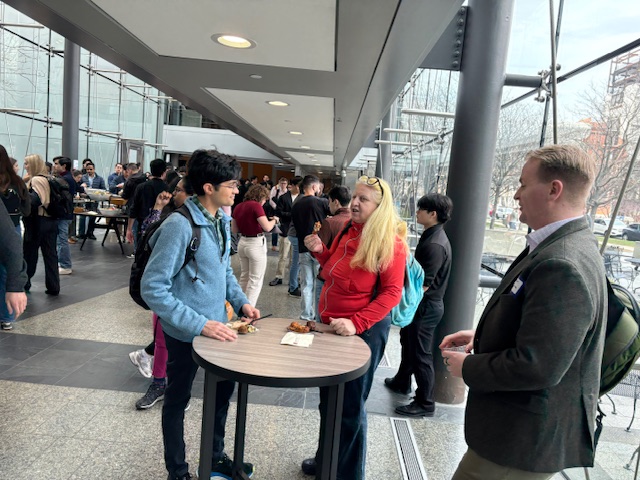
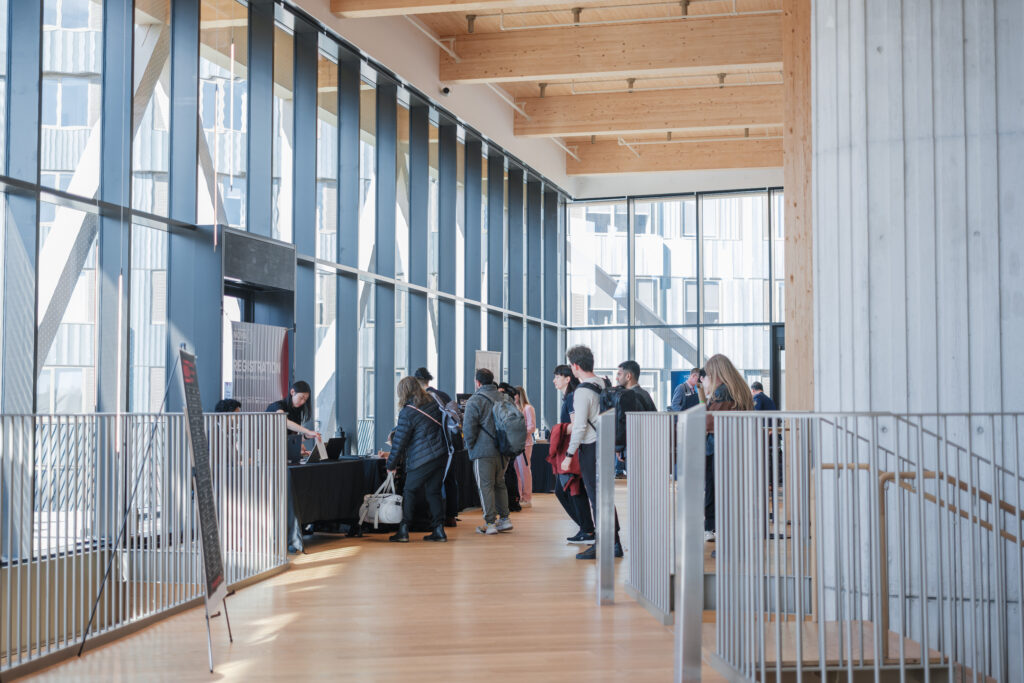
On April 25, 2026, the NOVA (Neuroscience of Vitality and Aging) Conference brought together a dynamic and interdisciplinary audience in Boston, MA. With over 600 attendees spanning students, researchers, clinicians, investors, and patient advocates, the event highlighted both the complexity of brain aging and the growing momentum behind efforts to better understand and treat neurodegenerative diseases.

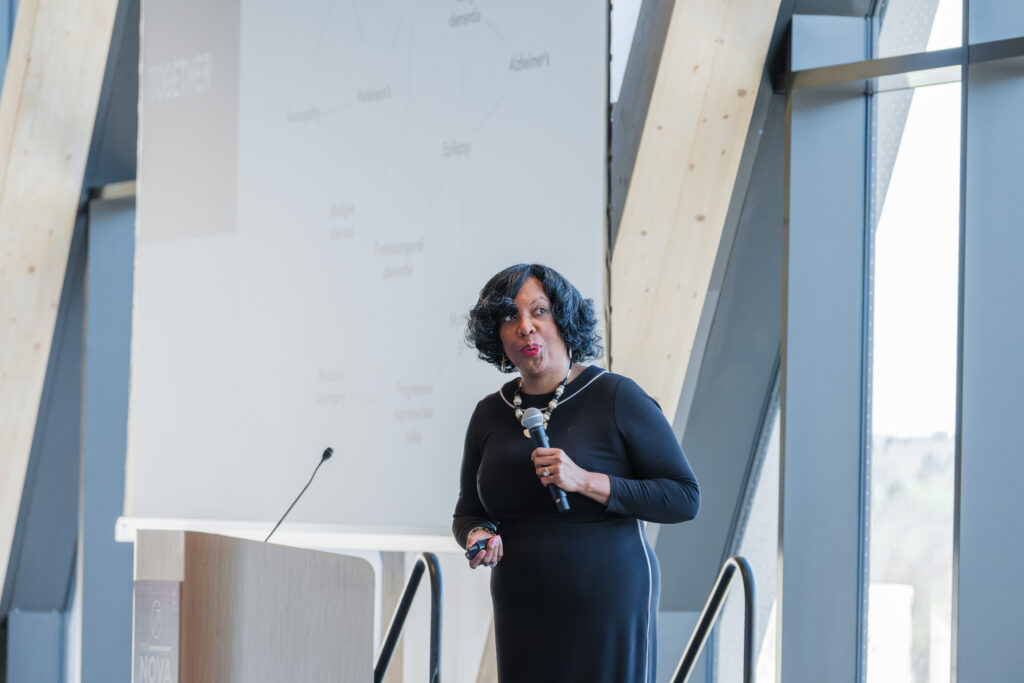
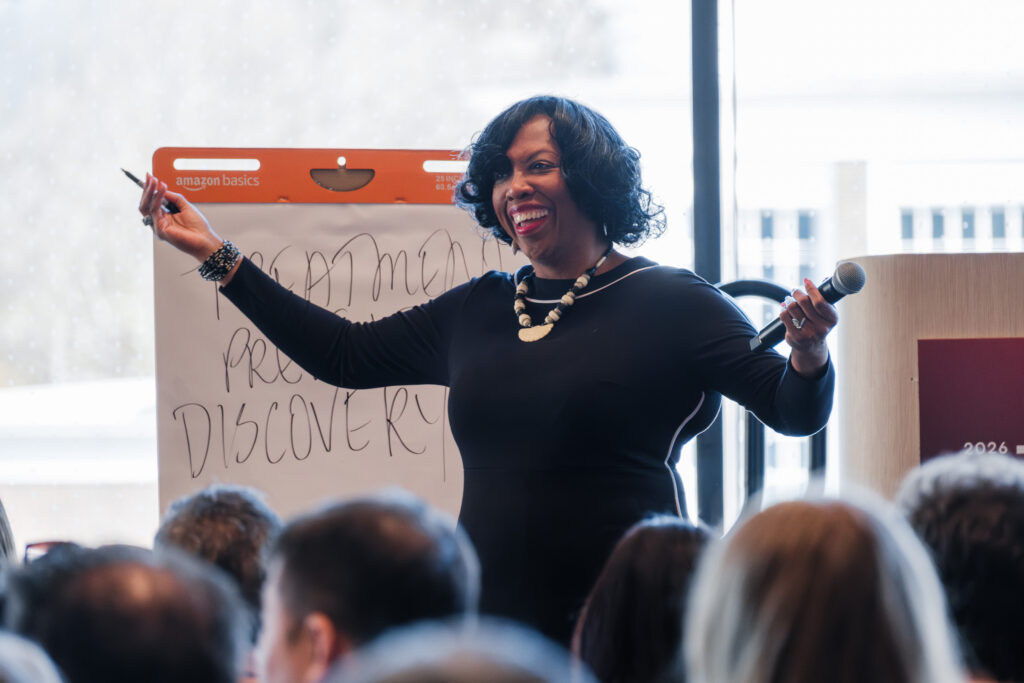
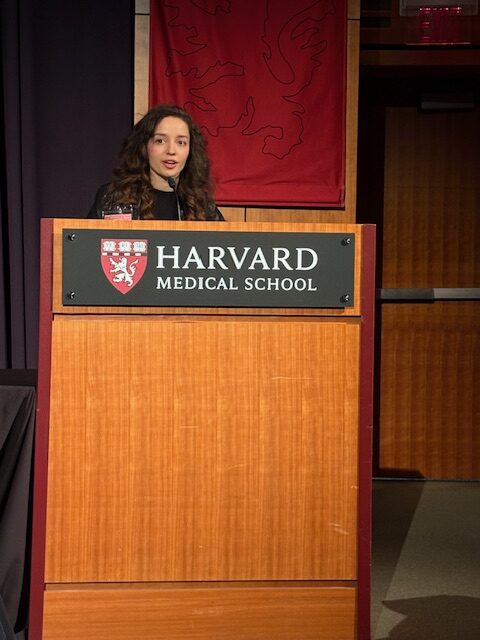
In the opening keynote, Dr. Joanne Smikle of the American Brain Foundation emphasized the need to remember the “why” behind this research. She highlighted the power of intentional collaboration and the belief that breakthroughs in one neurological disease may translate to others. Even small monthly contributions as little as $10.00 can collectively drive meaningful progress.

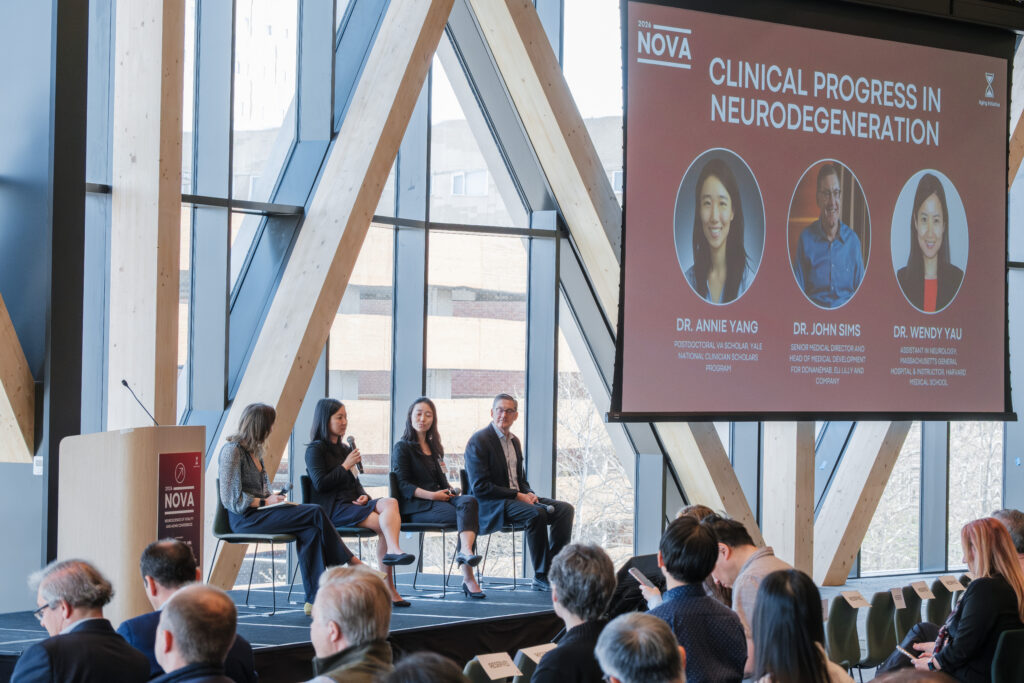
Clinical Progress in Neurodegeneration

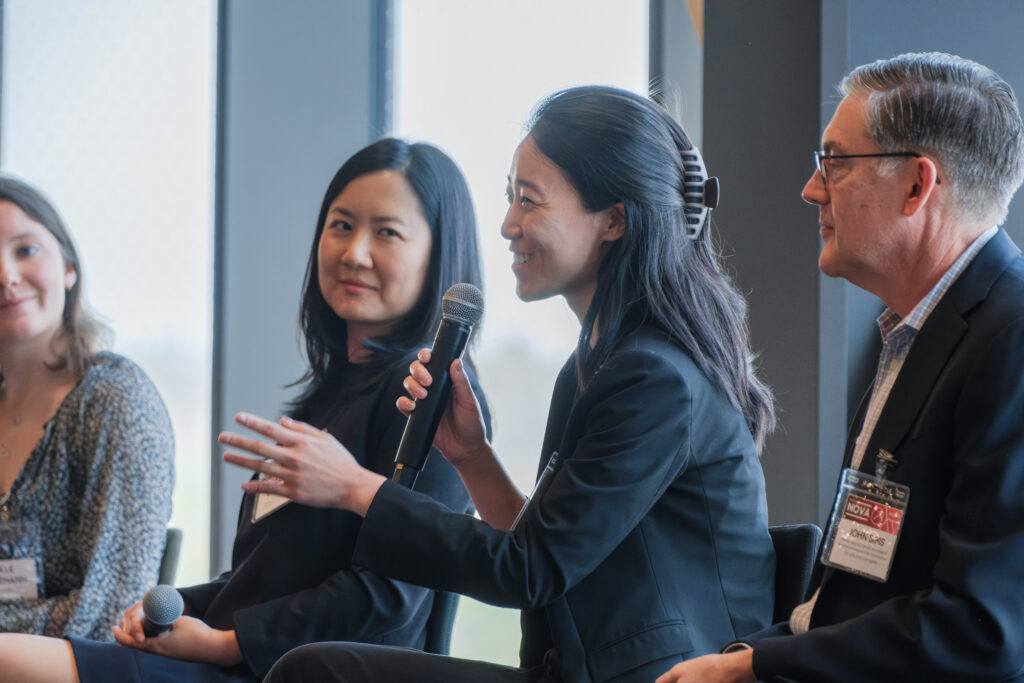
Dr. John Sims of Eli Lilly & Company, noted that traditional measures, such as clinical dementia ratings, may be too blunt to capture early cognitive decline. Emerging approaches, such as learning-based assessments and digital cognitive tools, aim to detect subtle changes sooner and more accurately.

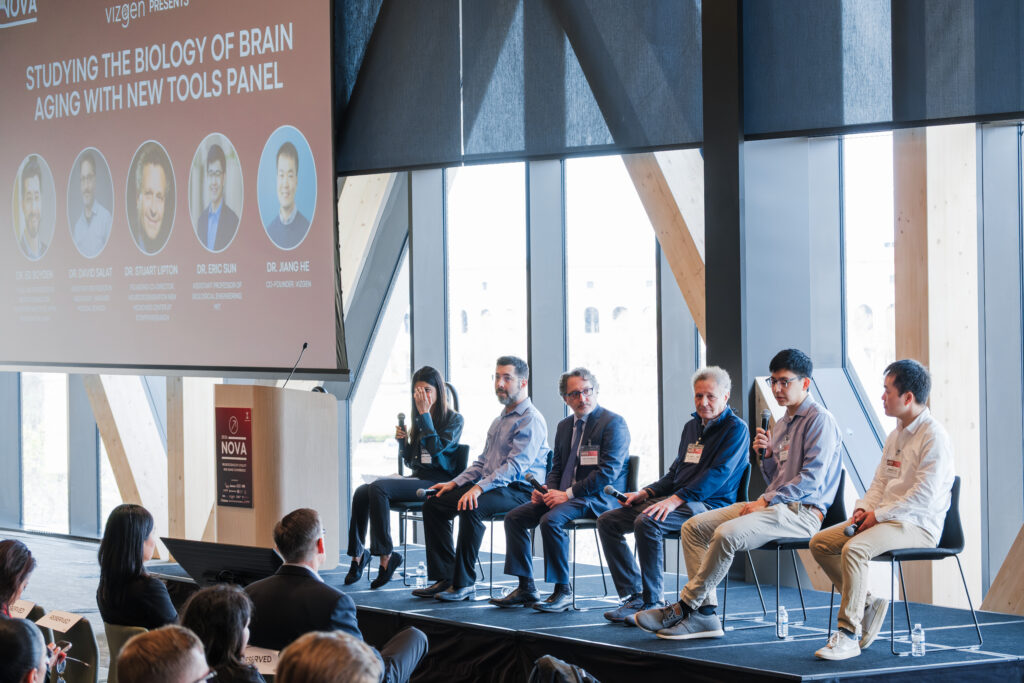
Studying the Biology of Brain Aging with New Tools

This breakout session showcased cutting-edge tools transforming how scientists study the aging brain.  Researchers included Dr. Stuart Lipton from Scripps Research, Dr. Eric Sun from MIT, Dr. Jiang He from Vizgen, Dr. Ed Boyden from the McGovern Institute at MIT, and Dr. David Salat from Harvard Medical School. Overall, the researchers are focused on causal models, the importance of needing more high-quality data, and spatial mapping technologies to better understand cellular interactions and disease mechanisms. Additionally, continued advances in molecular imaging, organoid development, and neuroimaging enable more detailed insights into how the brain changes over time. The speakers did stress the importance of rigor (particularly in validating experimental models and ensuring data quality) to draw any meaningful conclusions.

Mainstage Presentations

These presentations highlighted both the promise and challenges of advancing longevity science. Raiany Romanni-Klein of Amaranth emphasized a critical paradox: while human lifespan continues to increase, many individuals spend more years in declining health. From an investment perspective, Michael Reisman of Centerview Partners and Second Century Foundation noted that longevity science is increasingly attracting attention from the financial sector. While past biotech ventures in aging have seen mixed outcomes, the field continues to evolve, with increasing focus on translating biological insights into real-world interventions.

Neurotechnology and Brain-Computer Interfaces

One of the most forward-looking discussions centered on neurotechnology and brain-computer interfaces (BCIs), panelists included Christian Howell of Cognito Therapeutics, Dr. Oliver Armitage from Axoft, Dr. Daniel Rizzuto of Nia Therapeutics, Dr. Alan Mardinly from Science Corp., and Dr. Leigh Hochberg from BrainGate and Massachusetts General Hospital.

The speakers described emerging approaches that use sensory stimulation or implantable devices to preserve or restore brain function. Innovations in this space are already demonstrating tangible benefits. Early studies suggest that closed-loop neurostimulation systems may significantly improve memory performance, while implantable BCIs are enabling patients with severe impairments to communicate and interact with their environment. Despite these advances, challenges remain, including regulatory pathways, reimbursement models, the need for scalable and  patient-centered deployment, and collaboration in terms of sharing ideas between industries and regulators, in technology, and throughout our community.

Still, the outlook is promising. As Dr. Hochberg noted, the field is moving quickly, envisioning a future where, in just ten years, patients with conditions such as ALS may retain the ability to communicate through advanced neurotechnologies.

Investment Landscape

The conference also explored the evolving investment landscape in aging and longevity science. Speakers of this panel included Dr. Alex Colville of age1, Dr. Daniel Carbonero from PsyMed Ventures, Dr. Jarod Rutledge from Starbloom Capital, and Karen Harris from the Alzheimer’s Drug Discovery Foundation.

Although previous biotech efforts have yielded mixed results, confidence is growing that targeting the biology of aging is both scientifically feasible and financially promising. Investors emphasized the importance of strong founding teams and highlighted areas of interest such as neuroinflammation, genetic medicine, and biomarker development. Blood-based biomarkers, in particular, were identified as critical tools for improving clinical trial design and patient stratification.

Repair and Regeneration

Panelists of this important discussion included Dr. Mark Tomishima of BlueRock Therapeutics, Dr. Jean Hebert from ARPA-H, Dr. Nabiha Saklayen of Cellino, Dr. Parastoo Khoshakhlagh of GC Therapeutics, and Dr. Abdulkader Rahmo from SMS Biotech, Inc.

Speakers on repair and regeneration highlighted the potential of cell and tissue-based therapies to address age-related decline. Advances in automation, scalability, and precision are making neuroreplacement strategies more feasible, though cost and access remain significant challenges, and prevention remains key.

Equally important was the focus on patient advocacy. Speakers stressed the need to incorporate patient and caregiver perspectives into research and clinical trials, ensuring that scientific progress aligns with real-world needs and experiences.

Patient Advocacy

A powerful breakout session on patient advocacy emphasized the importance of integrating lived experiences into research and clinical development.

Kevin Rhodes of the Association for Frontotemporal Degeneration (AFTD), who is living with frontotemporal dementia, highlighted the session as he underscored the challenges of diagnosis and access. With advanced imaging often required for confirmation, many patients face barriers to timely diagnosis. He emphasized the need for stronger connections between patients and biotechnology companies, enabling researchers to better understand patient needs while helping individuals identify and access clinical trials.

The perspectives discussed overall highlighted a critical shift in the field: advancing brain aging research will require not only scientific innovation, but also meaningful engagement with the individuals most directly affected.

Looking Ahead

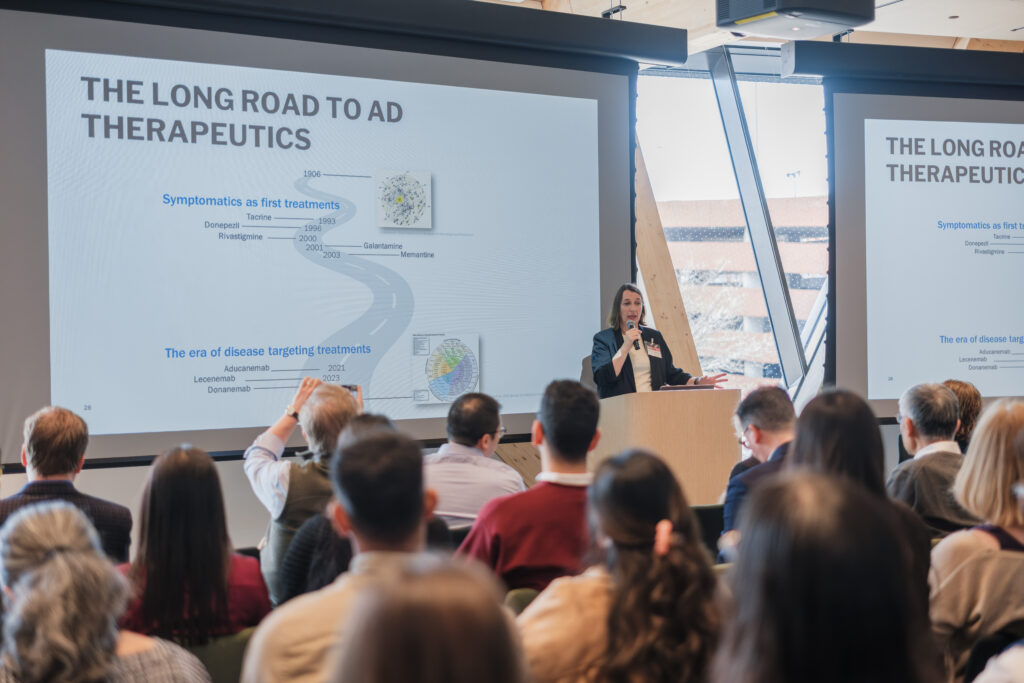
The conference concluded with a keynote by Dr. Dennis Selkoe from the Ann Romney Center for Neurologic Diseases, discussing the biology of Alzheimer’s disease and ongoing efforts to target amyloid-related mechanisms through immunotherapy. With millions affected worldwide, the urgency of advancing effective treatments remains clear.

Next year’s event will be the Cardiovascular Aging Research & Development (CARD) Symposium on May 6, 2027, with Opening Keynote Speaker Dr. John Maraganore of Alnylam.

Overall, the NOVA Conference highlighted a field that is rapidly evolving and is driven by technological innovation, interdisciplinary collaboration, and a shared commitment to improving outcomes for aging populations. As research continues to advance, the integration of science, investment, and patient engagement will be essential to translating discoveries into meaningful impact.
Our Continued Commitment to Advancing Aging Research

Founded in 2008 by visionary scientists—the late Dr. Mikhail (Misha) Blagosklonny, the late Dr. Judith Campisi, and Dr. David SinclairAging-US was created as a journal by scientists, for scientists, to publish innovative ideas and studies in the rapidly developing field of aging research. Since then, it has remained dedicated to advancing the understanding of aging and age-related diseases.

Supporting initiatives such as the NOVA Conference reflects our belief that progress in aging science depends on collaboration, mentorship, and the open exchange of ideas between academia, industry, and young innovators. By investing in the next generation of researchers, we aim to accelerate discoveries that will lead to longer, healthier lives for all.

Sponsoring this initiative is more than an investment, it’s a commitment to the future of aging science and to the vision of a world where longevity and well-being advance hand in hand.

___

Aging-US is indexed by PubMed/Medline (abbreviated as “Aging (Albany NY)”), PubMed CentralWeb of Science: Science Citation Index Expanded (abbreviated as “Aging‐US” and listed in the Cell Biology and Geriatrics & Gerontology categories), Scopus (abbreviated as “Aging” and listed in the Cell Biology and Aging categories), Biological Abstracts, BIOSIS Previews, EMBASE, META (Chan Zuckerberg Initiative) (2018-2022), and Dimensions (Digital Science).

Click here to subscribe to Aging-US publication updates.

For media inquiries, please contact [email protected].
Aging’s Ongoing Support for Scientific Innovation: Sponsoring the Muscle Aging Science & Translation Symposium

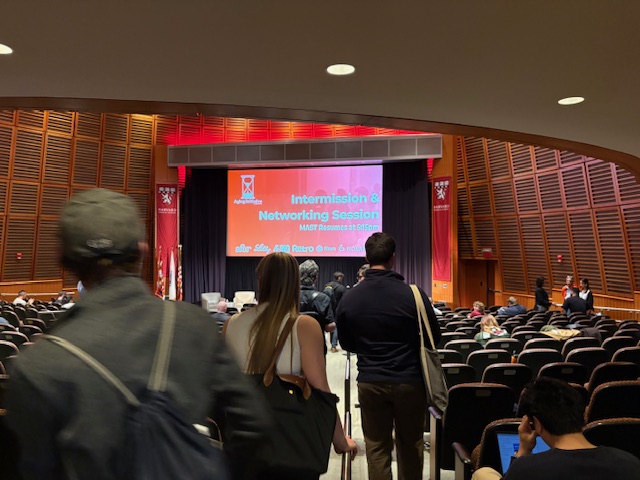
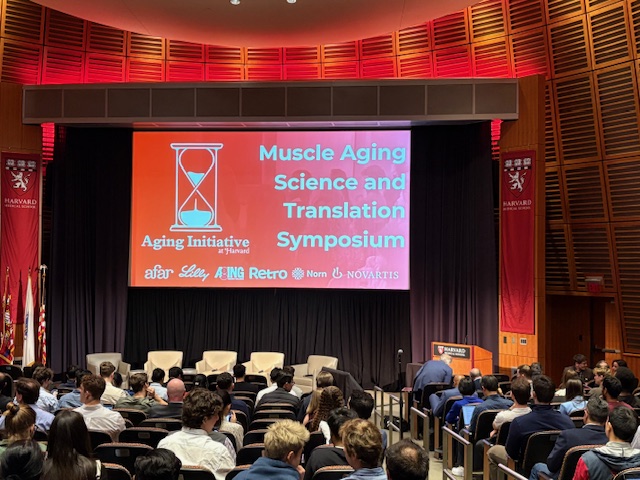
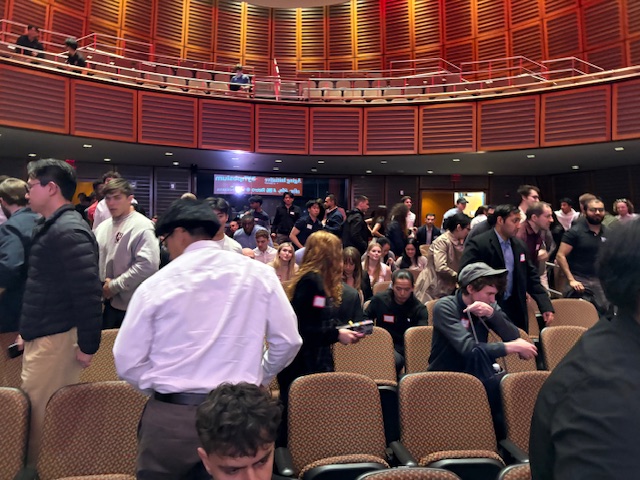
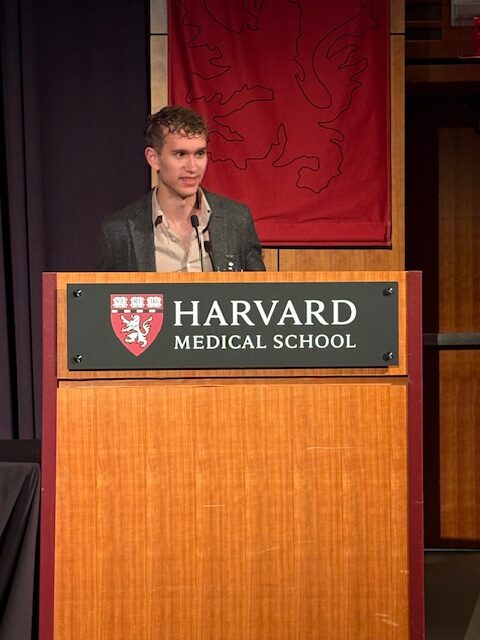
Aging (Aging-US) was proud to sponsor the Muscle Aging Science & Translation (MAST) Symposium, organized by the Aging Initiative at Harvard University on Friday, April 18, 2025.

This important event brought together 350 participants—chosen from more than 1,300 applicants—including students, researchers, company founders, investors, and industry leaders. Together, they explored the latest research and innovations in muscle health and aging. The symposium reflected the journal’s strong commitment to supporting collaboration across fields and advancing research in aging.

-Key Highlights from the MAST Symposium- 

Clinical Research Perspectives on Frailty  

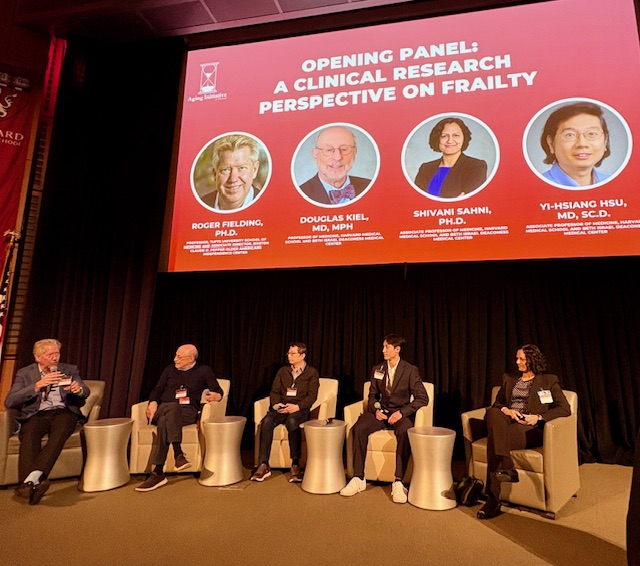
The symposium opened with a strong clinical session led by experts from top institutions: Dr. Roger Fielding (Tufts University and Boston Claude D. Pepper Older Americans Independence Center) and Drs. Douglas Kiel, Shivani Sahni, and Yi-Hsiang Hsu (Harvard Medical School and Beth Israel Deaconess Medical Center).

The panel discussed key topics such as the biology of frailty, how bone and muscle health are connected, and the influence of genetics, diet, and exercise on staying strong as we age. By blending real-life patient care with the latest research, the speakers shed light on the challenges of sarcopenia—the gradual loss of muscle strength and mass that occurs with age—and the new scientific approaches being developed to improve treatment.

Next-Generation Therapeutic Approaches

Lada Nuzhna, founder and CEO of Stealth Newco and director at Impetus Grants, shared her vision for advancing muscle health through innovation. With a strong focus on translational impact, she discussed her interest in developing a comprehensive program that combines various exerkines—exercise-induced signaling molecules—to improve muscle function.

Dr. Francisco Leport, co-founder and CEO of Gordian Biotechnology, introduced a new method for studying treatments for osteoarthritis, a common age-related joint condition that causes pain and stiffness. His approach, called in vivo pooled screening, allows scientists to test millions of potential therapies inside a single animal with the disease. This technique speeds up research and reduces the need for using multiple animals, helping to move from discovery to treatment more quickly.

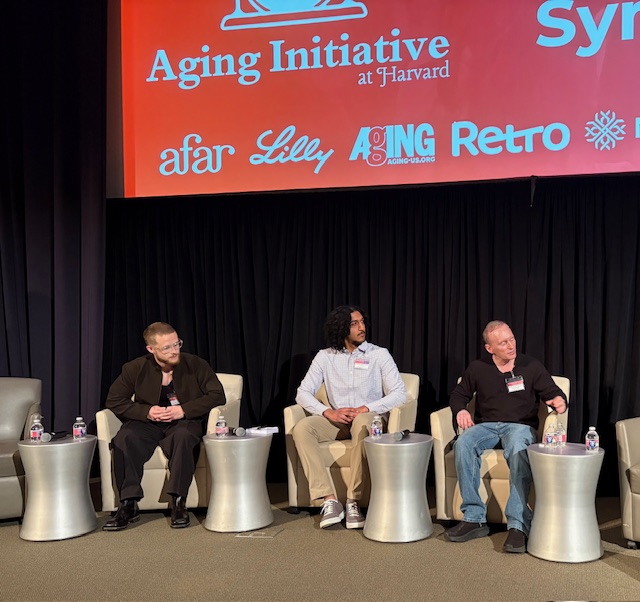
Biotech and Drug Development for Muscle Aging 

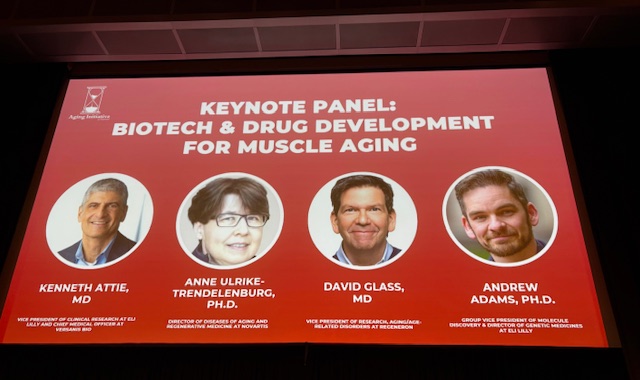
This panel brought together leading voices from Lilly (Dr. Andrew Adams), Novartis (Dr. Anne-Ulrike Trendelenburg), Regeneron (David Glass, MD), and Versanis Bio (Ken Attie, MD). Together, they explored therapeutic strategies focused not just on lifespan extension but on preserving mobility, muscle function, and independence as people age.

The discussion emphasized a human-centric approach to drug development, focusing on targeting mechanisms quickly and efficiently in clinical studies, and the importance of early intervention to achieve larger effect sizes and better long-term outcomes. Panelists also stressed that muscle function matters more than mass and highlighted how older individuals often experience a loss of mitochondrial function, leading to fatigue and reduced stamina—underscoring the need for programs that support mitochondrial health.

The panel further noted that nerve decline may precede muscle decline with age. While there is no definitive data linking cognitive and muscle function, improvements in vascular health through exercise were highlighted as a way to reduce inflammation and support overall health. In addition, they addressed the rise of GLP-1-based therapies, including the public health concern of weight regain following treatment.

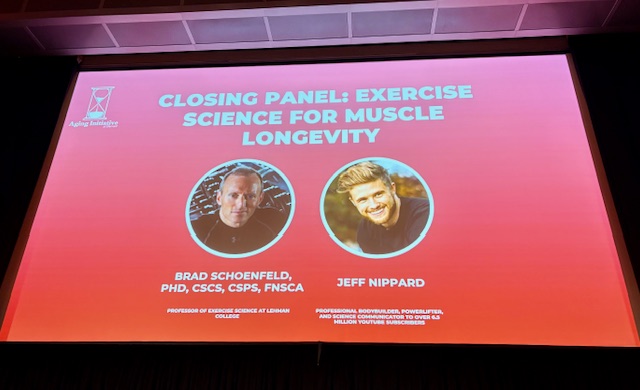
Exercise Science for Muscle Longevity

This energizing final session featured Dr. Brad Schoenfeld from Lehman College and Dr. Jeff Nippard, a professional bodybuilder, powerlifter, and science communicator. Together they shared research-backed strategies for preserving muscle health at any age, emphasizing that it is never too late to start training and that even minimal, consistent exercise can significantly boost mobility and independence. They also recommended incorporating power and explosive movements into workouts and emphasized the importance of adequate leucine intake to support muscle health.

Driving Scientific Progress in Muscle and Aging Research

The MAST Symposium, like previous Aging Initiative at Harvard University events, showcased the power of interdisciplinary collaboration, mentorship, and early engagement in driving scientific progress. Aging (Aging-US) is proud to support initiatives that highlight the latest breakthroughs while inspiring younger generations to pursue meaningful careers in aging research.

From innovative drug development to accessible exercise interventions, the MAST Symposium emphasized the urgency and opportunity in addressing muscle aging—a key driver of health and independence in older adults.

____________

Founded in 2008 by visionary scientists—Dr. Mikhail (Misha) BlagosklonnyDr. Judith Campisi, and Dr. David SinclairAging (Aging-US) was created as a platform for publishing innovative and sometimes unconventional ideas in the rapidly evolving field of aging. Supporting events like the MAST Symposium is not just aligned with this mission—it reflects our long-term commitment to advancing aging science and empowering the next generation of researchers.

Click here to subscribe to publication updates.

For media inquiries, please contact [email protected].
FacebookTwitterEmailLinkedInPinterestShare

Aging’s Commitment to Advancing Research: Sponsoring the “Future of Aging Research Mixer 2024”

Future of Aging Research Mixer

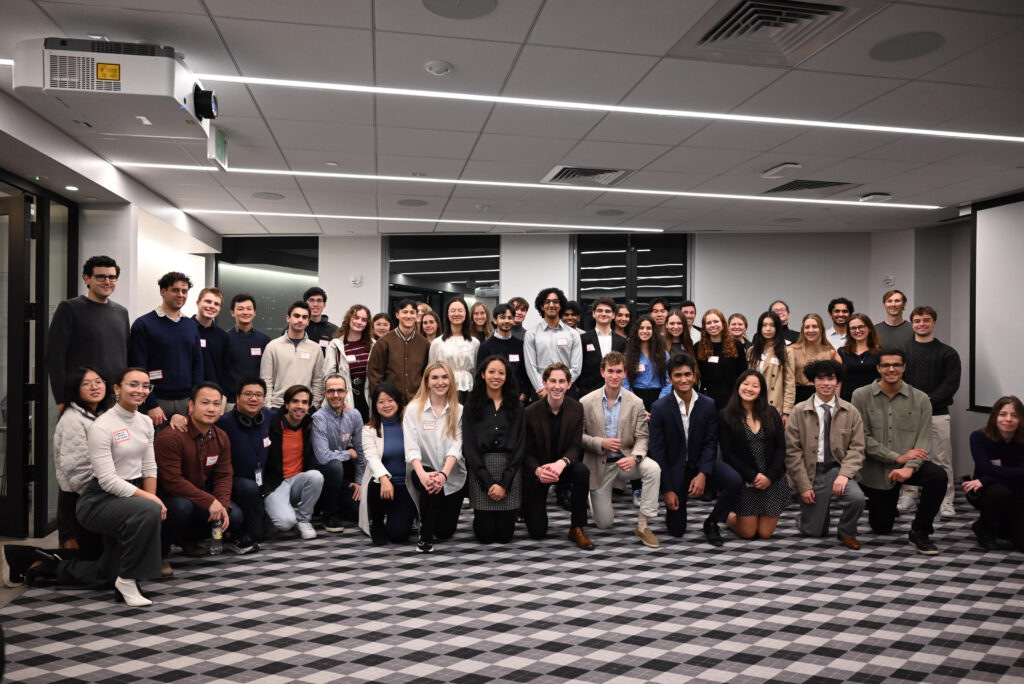
Aging (Aging-US) was a proud sponsor of the “Future of Aging Research Mixer 2024” hosted by the Aging Initiative at Harvard University on November 15 in Boston. This event united a vibrant community of students, researchers and technologists, all driven by a shared mission: advancing innovations in aging research and longevity science.

Key Highlights from the Future of Aging Research Mixer 2024

The event kicked off with inspiring opening remarks and a keynote by George Church, professor at Harvard Medical School, founding member of the Wyss Institute, and co-founder of over 50 biotech companies. He was joined by Kat Kajderowicz, an MIT PhD student and Principal at age1. Together, they highlighted the interdisciplinary nature of aging research and its immense potential to drive transformative advancements.

Jesse Poganik, HMS Instructor in Medicine and Executive Co-Director of the Biomarkers of Aging Consortium, discussed the evolution of aging science and the critical role biomarkers play in understanding aging processes and assessing the effectiveness of interventions aimed at slowing or reversing age-related changes.

Alex Colville, co-founder and general partner at age1, explained how venture capital can accelerate innovation in longevity biotechnology. He shared career advice for aspiring researchers and paid tribute to his mentor, Dr. David Sinclair, a pioneer in aging research.

These talks highlighted the importance of mentorship, interdisciplinary collaboration, and investment in driving progress in the aging research field.

Empowering Future Aging Science Leaders

A majority of the attendees were students from Boston-area universities including Harvard, MIT, UMass and BU. These future scientists, entrepreneurs, and innovators engaged in meaningful discussions about research, career paths, and publishing in academic journals. Many expressed interest in journals like Aging (Aging-US) and sought advice on how to publish their work.

The “Future of Aging Research Mixer 2024” showcased the passion, collaboration, and innovation within the aging research community. Through its sponsorship, Aging (Aging-US) reaffirmed its commitment to fostering a vibrant network of talent and supporting the voices of young, passionate researchers. Initiatives like this inspire the next generation of scientists and entrepreneurs, driving sustained growth and transformative impact in the field.

Beyond the event, the Aging Initiative at Harvard University strengthens the community through ongoing programs like journal clubs, guest lectures, and informal lunches with professors. These initiatives encourage skill-building, idea-sharing, and mentorship, preparing students for impactful careers in aging science.

Why We Support Aging Research

Aging (Aging-US) was founded in 2008 by visionary scientists—the late Dr. Mikhail (Misha) Blagosklonny, the late Dr. Judith Campisi, and Dr. David Sinclair—with a clear mission: to create a journal by scientists, for scientists, so the researchers can publish their ideas, theories (sometimes unconventional) and studies on the rapidly developing aging field. Since then, we have remained dedicated to advancing the understanding of aging and age-related diseases, including cancer, a leading health challenge in today’s aging world.

Supporting initiatives like the Aging Initiative at Harvard University and events such as the “Future of Aging Research Mixer 2024” is central to our mission. By supporting young researchers, we strive to drive meaningful advancements in the field and ensure it receives the recognition and resources it deserves. We are deeply committed to supporting initiatives that empower scientists and promote collaboration, mentorship, and innovation.

Sponsoring this initiative is more than an investment—it’s a commitment to the future of aging science and a healthier, longer life for all.

As we look to the future, we are inspired by the passion and talent within this growing field. Together, through continued collaboration and investment, we can shape a world where aging research leads to healthier and longer lives.

Aging is indexed by PubMed/Medline (abbreviated as “Aging (Albany NY)”), PubMed CentralWeb of Science: Science Citation Index Expanded (abbreviated as “Aging‐US” and listed in the Cell Biology and Geriatrics & Gerontology categories), Scopus (abbreviated as “Aging” and listed in the Cell Biology and Aging categories), Biological Abstracts, BIOSIS Previews, EMBASE, META (Chan Zuckerberg Initiative) (2018-2022), and Dimensions (Digital Science).

Click here to subscribe to Aging publication updates.

For media inquiries, please contact [email protected].
  • Follow Us