Aging-US Supports the NOVA Conference 2026

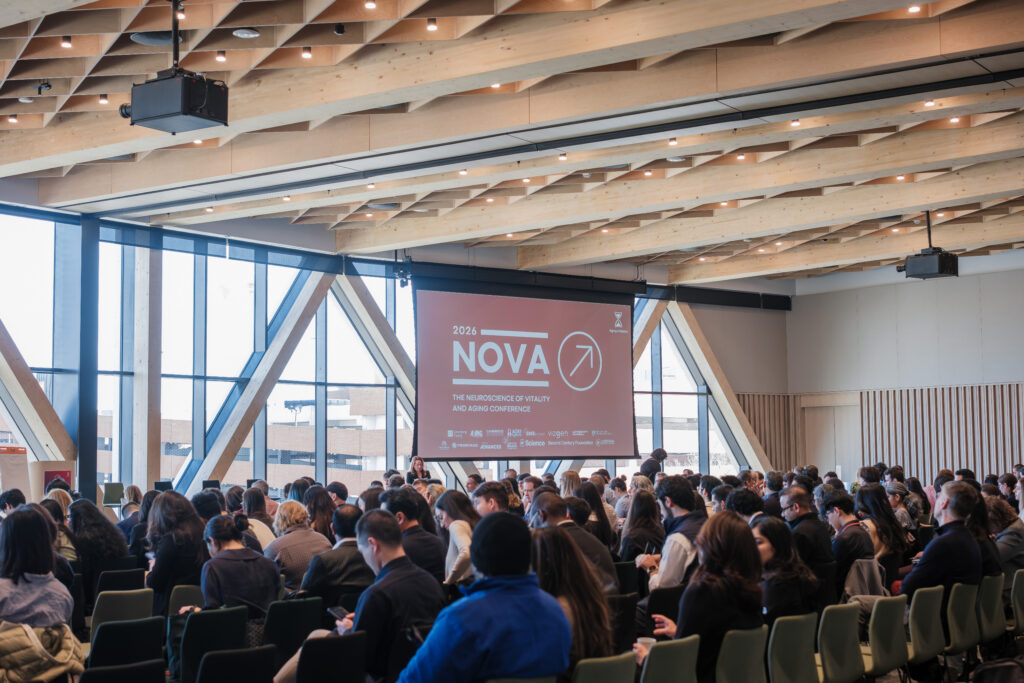
Aging-US proudly sponsored the NOVA (Neuroscience of Vitality and Aging) Conference, hosted by the Aging Initiative on Saturday, April 25 in Boston, MA.

Highlights from the NOVA (Neuroscience of Vitality and Aging) Conference

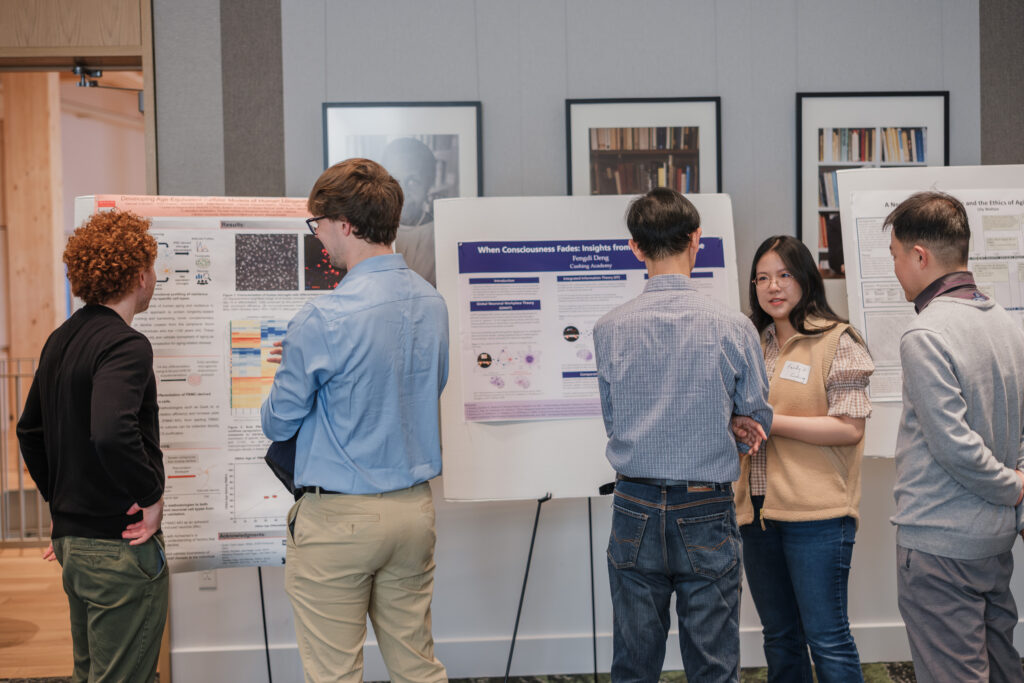
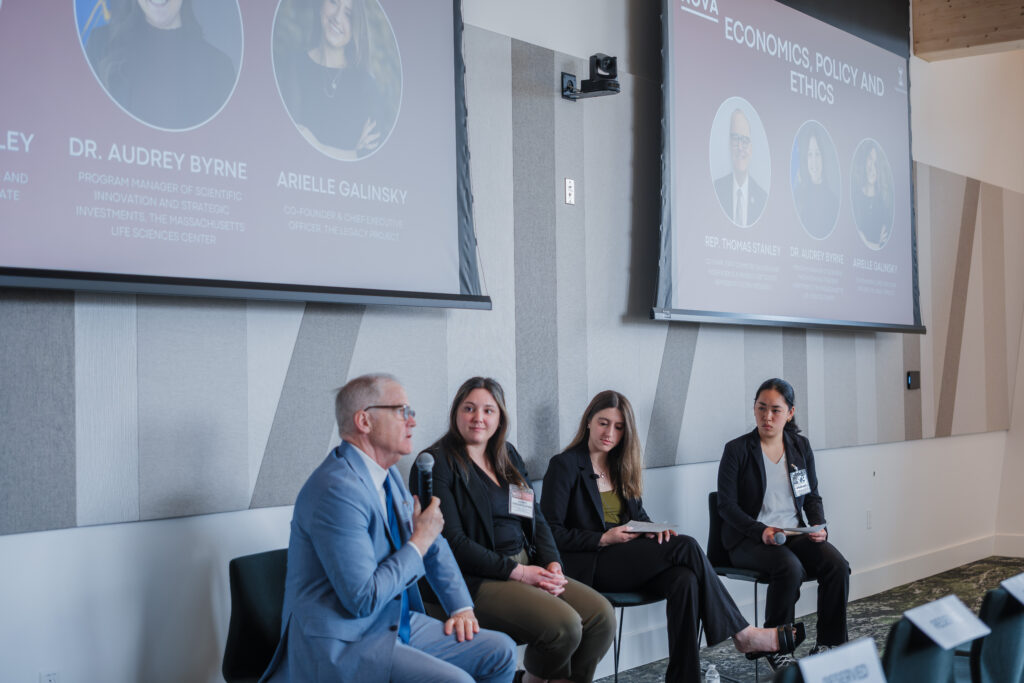
On April 25, 2026, the NOVA (Neuroscience of Vitality and Aging) Conference brought together a dynamic and interdisciplinary audience in Boston, MA. With over 600 attendees spanning students, researchers, clinicians, investors, and patient advocates, the event highlighted both the complexity of brain aging and the growing momentum behind efforts to better understand and treat neurodegenerative diseases.

In the opening keynote, Dr. Joanne Smikle of the American Brain Foundation emphasized the need to remember the “why” behind this research. She highlighted the power of intentional collaboration and the belief that breakthroughs in one neurological disease may translate to others. Even small monthly contributions as little as $10.00 can collectively drive meaningful progress.

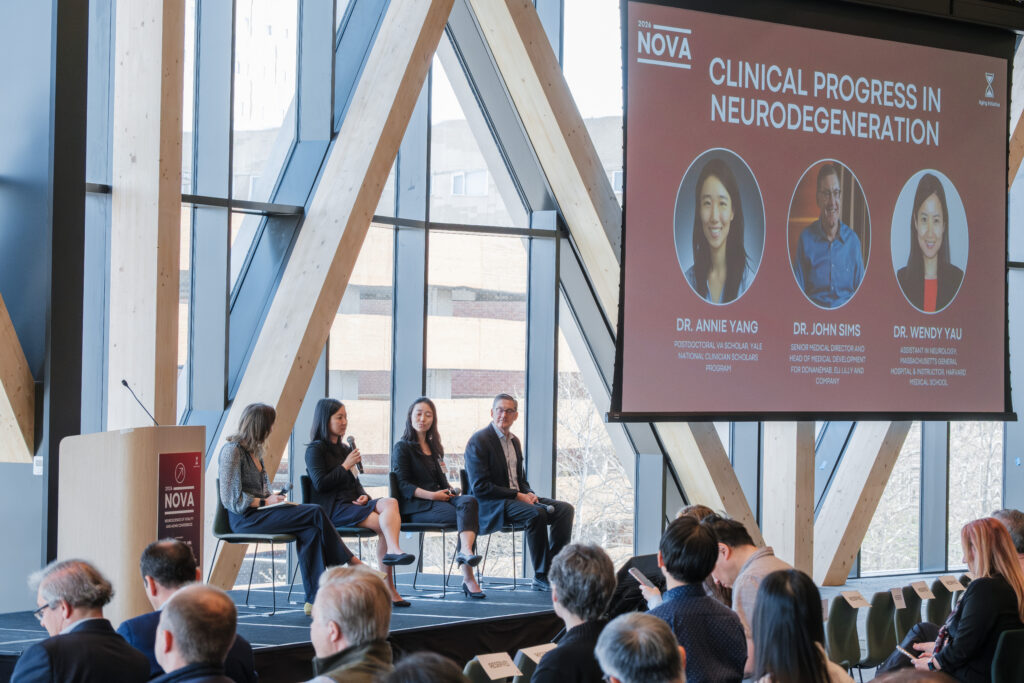
Clinical Progress in Neurodegeneration

Dr. John Sims of Eli Lilly & Company, noted that traditional measures, such as clinical dementia ratings, may be too blunt to capture early cognitive decline. Emerging approaches, such as learning-based assessments and digital cognitive tools, aim to detect subtle changes sooner and more accurately.

Studying the Biology of Brain Aging with New Tools

This breakout session showcased cutting-edge tools transforming how scientists study the aging brain.  Researchers included Dr. Stuart Lipton from Scripps Research, Dr. Eric Sun from MIT, Dr. Jiang He from Vizgen, Dr. Ed Boyden from the McGovern Institute at MIT, and Dr. David Salat from Harvard Medical School. Overall, the researchers are focused on causal models, the importance of needing more high-quality data, and spatial mapping technologies to better understand cellular interactions and disease mechanisms. Additionally, continued advances in molecular imaging, organoid development, and neuroimaging enable more detailed insights into how the brain changes over time. The speakers did stress the importance of rigor (particularly in validating experimental models and ensuring data quality) to draw any meaningful conclusions.

Mainstage Presentations

These presentations highlighted both the promise and challenges of advancing longevity science. Raiany Romanni-Klein of Amaranth emphasized a critical paradox: while human lifespan continues to increase, many individuals spend more years in declining health. From an investment perspective, Michael Reisman of Centerview Partners and Second Century Foundation noted that longevity science is increasingly attracting attention from the financial sector. While past biotech ventures in aging have seen mixed outcomes, the field continues to evolve, with increasing focus on translating biological insights into real-world interventions.

Neurotechnology and Brain-Computer Interfaces

One of the most forward-looking discussions centered on neurotechnology and brain-computer interfaces (BCIs), panelists included Christian Howell of Cognito Therapeutics, Dr. Oliver Armitage from Axoft, Dr. Daniel Rizzuto of Nia Therapeutics, Dr. Alan Mardinly from Science Corp., and Dr. Leigh Hochberg from BrainGate and Massachusetts General Hospital.

The speakers described emerging approaches that use sensory stimulation or implantable devices to preserve or restore brain function. Innovations in this space are already demonstrating tangible benefits. Early studies suggest that closed-loop neurostimulation systems may significantly improve memory performance, while implantable BCIs are enabling patients with severe impairments to communicate and interact with their environment. Despite these advances, challenges remain, including regulatory pathways, reimbursement models, the need for scalable and  patient-centered deployment, and collaboration in terms of sharing ideas between industries and regulators, in technology, and throughout our community.

Still, the outlook is promising. As Dr. Hochberg noted, the field is moving quickly, envisioning a future where, in just ten years, patients with conditions such as ALS may retain the ability to communicate through advanced neurotechnologies.

Investment Landscape

The conference also explored the evolving investment landscape in aging and longevity science. Speakers of this panel included Dr. Alex Colville of age1, Dr. Daniel Carbonero from PsyMed Ventures, Dr. Jarod Rutledge from Starbloom Capital, and Karen Harris from the Alzheimer’s Drug Discovery Foundation.

Although previous biotech efforts have yielded mixed results, confidence is growing that targeting the biology of aging is both scientifically feasible and financially promising. Investors emphasized the importance of strong founding teams and highlighted areas of interest such as neuroinflammation, genetic medicine, and biomarker development. Blood-based biomarkers, in particular, were identified as critical tools for improving clinical trial design and patient stratification.

Repair and Regeneration

Panelists of this important discussion included Dr. Mark Tomishima of BlueRock Therapeutics, Dr. Jean Hebert from ARPA-H, Dr. Nabiha Saklayen of Cellino, Dr. Parastoo Khoshakhlagh of GC Therapeutics, and Dr. Abdulkader Rahmo from SMS Biotech, Inc.

Speakers on repair and regeneration highlighted the potential of cell and tissue-based therapies to address age-related decline. Advances in automation, scalability, and precision are making neuroreplacement strategies more feasible, though cost and access remain significant challenges, and prevention remains key.

Equally important was the focus on patient advocacy. Speakers stressed the need to incorporate patient and caregiver perspectives into research and clinical trials, ensuring that scientific progress aligns with real-world needs and experiences.

Patient Advocacy

A powerful breakout session on patient advocacy emphasized the importance of integrating lived experiences into research and clinical development.

Kevin Rhodes of the Association for Frontotemporal Degeneration (AFTD), who is living with frontotemporal dementia, highlighted the session as he underscored the challenges of diagnosis and access. With advanced imaging often required for confirmation, many patients face barriers to timely diagnosis. He emphasized the need for stronger connections between patients and biotechnology companies, enabling researchers to better understand patient needs while helping individuals identify and access clinical trials.

The perspectives discussed overall highlighted a critical shift in the field: advancing brain aging research will require not only scientific innovation, but also meaningful engagement with the individuals most directly affected.

Looking Ahead

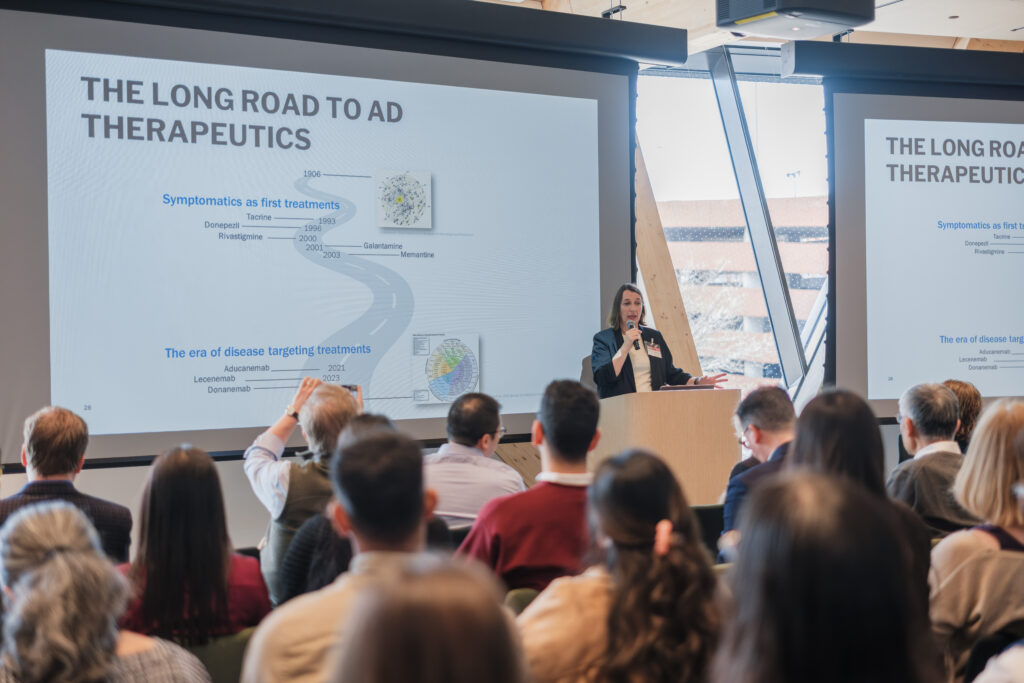
The conference concluded with a keynote by Dr. Dennis Selkoe from the Ann Romney Center for Neurologic Diseases, discussing the biology of Alzheimer’s disease and ongoing efforts to target amyloid-related mechanisms through immunotherapy. With millions affected worldwide, the urgency of advancing effective treatments remains clear.

Next year’s event will be the Cardiovascular Aging Research & Development (CARD) Symposium on May 6, 2027, with Opening Keynote Speaker Dr. John Maraganore of Alnylam.

Overall, the NOVA Conference highlighted a field that is rapidly evolving and is driven by technological innovation, interdisciplinary collaboration, and a shared commitment to improving outcomes for aging populations. As research continues to advance, the integration of science, investment, and patient engagement will be essential to translating discoveries into meaningful impact.

Our Continued Commitment to Advancing Aging Research

Founded in 2008 by visionary scientists—the late Dr. Mikhail (Misha) Blagosklonny, the late Dr. Judith Campisi, and Dr. David SinclairAging-US was created as a journal by scientists, for scientists, to publish innovative ideas and studies in the rapidly developing field of aging research. Since then, it has remained dedicated to advancing the understanding of aging and age-related diseases.

Supporting initiatives such as the NOVA Conference reflects our belief that progress in aging science depends on collaboration, mentorship, and the open exchange of ideas between academia, industry, and young innovators. By investing in the next generation of researchers, we aim to accelerate discoveries that will lead to longer, healthier lives for all.

Sponsoring this initiative is more than an investment, it’s a commitment to the future of aging science and to the vision of a world where longevity and well-being advance hand in hand.

___

Aging-US is indexed by PubMed/Medline (abbreviated as “Aging (Albany NY)”), PubMed CentralWeb of Science: Science Citation Index Expanded (abbreviated as “Aging‐US” and listed in the Cell Biology and Geriatrics & Gerontology categories), Scopus (abbreviated as “Aging” and listed in the Cell Biology and Aging categories), Biological Abstracts, BIOSIS Previews, EMBASE, META (Chan Zuckerberg Initiative) (2018-2022), and Dimensions (Digital Science).

Click here to subscribe to Aging-US publication updates.

For media inquiries, please contact [email protected].

Alpha-Synuclein Overexpression in Rats Reveals Early Clues to Synucleinopathies

“Synucleinopathies are age-dependent neurodegenerative diseases characterized by alpha-synuclein accumulation with distinct vulnerabilities across brain regions.”

Synucleinopathies are a group of age-related neurological disorders, including Parkinson’s disease, dementia with Lewy bodies, and multiple system atrophy. Most individuals are not diagnosed until these diseases have significantly progressed, as early symptoms, such as a reduced sense of smell, subtle cognitive or motor changes are too vague to serve as reliable indicators. 

To uncover specific biological signs that appear earlier and clearly point to the disease process, researchers from Saarland University developed a study titled Brain region-specific and systemic transcriptomic alterations in a human alpha-synuclein overexpressing rat model,” featured as the cover of Aging-USVolume 17, Issue 10.

Understanding Synucleinopathies

Synucleinopathies are characterized by the abnormal buildup of the protein alpha-synuclein in the brain. When this protein misfolds, it accumulates inside neurons and forms toxic clumps that disrupt their normal function and threaten cell survival. Because brain samples from patients are usually obtained only after death, scientists rely on animal models to investigate how these diseases start and progress.

The Study:  Exploring Early Gene Changes Associated with Synucleinopathies

A research team from Saarland University, led by Vivien Hoof and Thomas Hentrich, studied a genetically engineered rat model that overexpresses the human form of alpha-synuclein. Their goal was to examine how this protein affects gene activity in both the brain and the gut at different life stages.

The researchers focused on three brain regions known to be involved in movement and cognition: the striatum, cortex, and cerebellum. They examined gene expression in rats at two ages, at five and twelve months, representing early and mid-adulthood, roughly equivalent to young and middle-aged humans. Gut tissue was also studied to better understand the possible systemic effects of alpha-synuclein accumulation.

The Results: Early and Widespread Gene Changes Across the Brain and Gut

The study revealed that gene activity was more significantly disrupted in younger rats, particularly in the striatum, a key area for motor control. Many of the affected genes were involved in communication between nerve cells, suggesting that vital brain functions start shifting early in the disease process.

In older rats, changes were especially noticeable in the cortex and related to myelination, the process that insulates nerve fibers. Similar patterns have also been observed in patients with synucleinopathies, highlighting the value of the rat model.

Importantly, the team identified a core group of genes that were consistently altered across all three brain regions. Some of these same gene changes were also found in the gut, suggesting that the impact of alpha-synuclein accumulation is not limited to the brain but may influence the entire nervous system, including the enteric (gut) nervous system.

The Breakthrough: Evidence That Synucleinopathies May Begin Long Before Symptoms Appear

This study provides compelling evidence that synucleinopathy-related changes begin early at the molecular level, well before clinical symptoms emerge, challenging the notion that such diseases only manifest in later life. These early alterations are both brain region-specific and systemic. The presence of similar gene changes in the gut supports the growing understanding that synucleinopathies are not just brain disorders, but may affect the entire body. These early molecular signals could serve as biomarkers, helping to detect disease before lasting damage occurs.

The Impact: Opening New Paths for Early Detection and Intervention

These findings could shift research toward diagnosing synucleinopathies in their earliest stages. If similar patterns of gene activity can be identified in humans, potentially through blood or stool samples, it may be possible to detect these diseases years before symptoms arise. Early detection could enable timely and more effective treatment.

The study also sheds light on previously overlooked genes involved in neuroprotection and neural communication, which may become new targets for therapeutic development.

Future Perspectives and Conclusion

While synucleinopathies are often seen as diseases of aging, this study highlights that crucial biological changes may occur far earlier. Mapping these early molecular changes provides a strong foundation for developing new diagnostic tools and early-stage treatments. It also reinforces the need to study not just the brain but the entire nervous system, including the gut, which may serve as an accessible window into early disease processes.

Click here to read the full research paper published in Aging-US.

___

Aging is indexed by PubMed/Medline (abbreviated as “Aging (Albany NY)”), PubMed CentralWeb of Science: Science Citation Index Expanded (abbreviated as “Aging‐US” and listed in the Cell Biology and Geriatrics & Gerontology categories), Scopus (abbreviated as “Aging” and listed in the Cell Biology and Aging categories), Biological Abstracts, BIOSIS Previews, EMBASE, META (Chan Zuckerberg Initiative) (2018-2022), and Dimensions (Digital Science).

Click here to subscribe to Aging publication updates.

For media inquiries, please contact [email protected].

Now Accepting Submissions: Special Collection on Cognitive Aging

In this special collection, Aging seeks to bring together cutting-edge research that spans the cellular and molecular underpinnings of cognitive aging with insights into the psychosocial, behavioral, and environmental factors that modulate its course.

BUFFALO, NY — July 8, 2025 — As populations worldwide continue to age, understanding the mechanisms and manifestations of cognitive aging is increasingly urgent for science, medicine, and society. Age-related cognitive decline ranges from mild memory lapses to the onset of dementia, and is shaped by a complex interplay of molecular, cellular, systemic, and social determinants.

In this special collection, Aging (Aging-US) seeks to bring together cutting-edge research that spans the cellular and molecular underpinnings of cognitive aging with insights into the psychosocial, behavioral, and environmental factors that modulate its course. By integrating basic biology with translational and societal dimensions, this collection aims to foster a holistic understanding of how and why cognitive function changes with age—and what can be done to preserve it.

We welcome original research articles, reviews, and perspectives across model systems and human studies, particularly those that promote interdisciplinary insights and translational potential.

POTENTIAL TOPICS

Molecular and Cellular Mechanisms

  • Senescence, inflammation, and neurodegeneration in cognitive decline
  • Mitochondrial dysfunction and oxidative stress in aging neurons
  • Neurovascular aging and blood-brain barrier integrity
  • Single-cell and spatial transcriptomics of the aging brain
  • mTOR, autophagy, and proteostasis in age-related cognitive impairment
  • The role of glial cells (microglia, astrocytes) in brain aging

 Genetics and Biomarkers

  • Genetic risk factors and epigenetic modifications associated with cognitive aging
  • Biomarkers of cognitive resilience and vulnerability
  • Neuroimaging and fluid-based biomarkers in aging populations

Interventions and Lifestyle Factors

  • Cognitive benefits of caloric restriction, exercise, or senolytic therapies
  • Preclinical and clinical trials targeting aging pathways to prevent cognitive decline
  • Impact of sleep, nutrition, and metabolic health on cognition in older adults
  • Use of cognitive strategies and compensatory techniques to maintain or enhance function in aging

Environmental and Social Contexts

  • Impact of social isolation, education, and socioeconomic status on cognitive trajectories
  • Lifelong cognitive reserve and its determinants
  • Cross-cultural and demographic studies on aging and cognition
  • Digital health tools for monitoring or enhancing cognitive function in the elderly

SUBMISSION DETAILS:

______

To learn more about the journal, please visit our website at www.Aging-US.com​​ and connect with us on social media at:

Click here to subscribe to Aging publication updates.

For media inquiries, please contact [email protected].

DoliClock: A Lipid-Based Clock for Measuring Brain Aging

Aging is a multifaceted process influenced by intrinsic and extrinsic factors, with lipid alterations playing a critical role in brain aging and neurological disorders.”

A new study published recently as the cover of Aging Volume 17, Issue 6, describes a new method to estimate how fast the brain is aging. By analyzing lipids, or fat molecules, in brain tissue, researchers from the National University of Singapore and Hanze University of Applied Sciences created a biological “clock” called DoliClock. This innovation highlights how conditions such as autism, schizophrenia, and Down syndrome are associated with accelerated brain aging.

Understanding Brain Aging

As people grow older, their brains naturally change. However, in many neurological disorders, these changes seem to appear earlier and progress more rapidly. Disorders like autism, schizophrenia, and Down syndrome reduce quality of life and contribute to premature death. Scientists have long searched for better ways to measure biological age in the brain to understand these processes and develop strategies to slow them down.

Most existing methods for estimating biological age rely on genetic markers, such as DNA methylation, which are chemical modifications of DNA. While useful, these approaches may not fully capture the complexity of aging, especially in the brain. Lipids, which are essential components of brain cells and play important roles in energy storage and signaling, offer another perspective.

The Study: Building a Lipid-Based Aging Clock

A team led by first author Djakim Latumalea and corresponding author Brian K. Kennedy introduced DoliClock, a model that predicts brain age using lipid profiles from the prefrontal cortex. This region of the brain, located just behind the forehead, plays a key role in decision-making, memory, and emotional regulation.

The study titled “DoliClock: a lipid-based aging clock reveals accelerated aging in neurological disorders” analyzed post-mortem brain samples from individuals with and without neurological conditions such as autism, schizophrenia, and Down syndrome.

The researchers focused on a class of lipids called dolichols, which are involved in vital cellular processes such as protein transport and glycosylation. These lipids tend to accumulate in brain tissue as people age, making them promising markers for measuring biological aging.

Results: Lipids Reflect the Pace of Aging

The DoliClock model showed that dolichol levels in the brain increased gradually with age. This change became particularly noticeable around the age of 40, suggesting a shift in how the brain regulates lipid metabolism during midlife. In addition to dolichols, the researchers observed an increase in entropy, a measure of disorder in lipid composition, which also intensified around this age.

When applied to brain samples from individuals with neurological disorders, DoliClock revealed significant differences. Samples from people with autism, schizophrenia, and Down syndrome showed higher predicted biological ages compared to their actual ages. This finding indicates that these disorders are associated with accelerated brain aging. The results align with previous studies using other biological clocks but add a new layer of understanding by focusing on lipid metabolism.

The Impact: A New Window into Brain Aging

DoliClock represents an important step in aging research because it demonstrates how lipid profiles can serve as markers of biological age. Unlike genetic markers, which may not fully capture brain-specific changes, lipidomic data directly reflect the brain’s structure and metabolic state. Dolichols, in particular, emerged as strong indicators of aging and may also play a role in the development of neurological disorders. This lipid-based clock could help scientists better understand the brain aging process and identify individuals at risk of premature decline.

Future Perspectives and Conclusion

DoliClock opens new possibilities for studying the molecular basis of brain aging. Although the current study used post-mortem brain tissue, future research could adapt this approach for use with more accessible samples. Similar lipid signatures might eventually be detectable in blood or cerebrospinal fluid, offering a non-invasive way to monitor brain health. Such tools could support early diagnosis and help track the effectiveness of treatments designed to slow brain aging.

Investigating how interventions such as dietary changes or medications affect lipid-based aging markers could also lead to new strategies for promoting healthy brain aging, making DoliClock a promising foundation for further exploration in aging research and brain health.

Click here to read the full research paper published in Aging.

___

Aging is indexed by PubMed/Medline (abbreviated as “Aging (Albany NY)”), PubMed CentralWeb of Science: Science Citation Index Expanded (abbreviated as “Aging‐US” and listed in the Cell Biology and Geriatrics & Gerontology categories), Scopus (abbreviated as “Aging” and listed in the Cell Biology and Aging categories), Biological Abstracts, BIOSIS Previews, EMBASE, META (Chan Zuckerberg Initiative) (2018-2022), and Dimensions (Digital Science).

Click here to subscribe to Aging publication updates.

For media inquiries, please contact [email protected].

  • Follow Us