IL6 and IL6R: Opposing Forces of Inflammation That Shape Human Survival

The IL6 axis plays a pivotal role in both acute and chronic inflammatory responses, operating through two distinct pathways: classical signalling via a membrane-bound IL6 receptor and trans-signalling mediated by a soluble IL6 receptor (IL6R), which enables IL6 activity in cells lacking the membrane receptor.

Inflammation is a double-edged sword. It defends the body against infection and injury, yet when it becomes chronic, it can accelerate aging and fuel the very diseases that shorten human life. For decades, scientists have observed that people with higher levels of inflammatory markers like interleukin-6 (IL6) and C-reactive protein (CRP) tend to have shorter lifespans. But the critical question has always been: does inflammation cause mortality, or does it merely reflect underlying disease?

A research paper, titled “Causal effects of inflammation on long-term mortality: A mendelian randomization study” was published in  Volume 18 of Aging-US by an international team of researchers, provides a definitive answer by using a powerful genetic technique to untangle cause from effect.

The team’s investigation demonstrates that the IL6 inflammatory pathway has a direct causal impact on human survival—but with a surprising twist: two components of the same pathway pull in opposite directions.

The Method: Mendelian Randomization

To establish causation, the researchers employed Mendelian randomization (MR), a technique that uses genetic variants as natural experiments. Because genes are randomly assigned at conception and fixed throughout life, they are not subject to the confounding factors—such as lifestyle, diet, or socioeconomic status—that plague traditional observational studies.

The team analyzed genetic data from approximately 750,000 individuals of European ancestry, focusing on four inflammatory biomarkers: interleukin-6 (IL6), its soluble receptor (IL6R), C-reactive protein (CRP), and growth differentiation factor-15 (GDF15). The primary outcome was all-cause mortality over a median follow-up of 11.7 years, with secondary outcomes including cardiovascular events and cancer.

Key Findings: Opposing Forces in the IL6 Pathway

The results revealed a remarkable biological duality. Genetically higher levels of the soluble IL6 receptor (IL6R) were associated with a reduced risk of all-cause mortality (odds ratio 0.95 per 1-standard deviation increase; p = 0.007). Higher IL6R levels also lowered the risk of atrial fibrillation, coronary artery disease, stroke, and lung cancer.

In stark contrast, genetically higher levels of IL6 itself were linked to an increased risk of mortality (odds ratio 1.05; p = 0.002). These findings suggest that IL6 and IL6R are biological opposites: IL6 drives harm, while IL6R protects.

The protective effects of IL6R were consistent across multiple sensitivity analyses, with no evidence of pleiotropy (where genetic variants influence outcomes through unintended pathways). A cis-Mendelian randomization analysis restricted to variants within the IL6R gene locus confirmed the protective association, reinforcing the causal relevance of this pathway.

CRP and GDF15: Biomarkers, Not Drivers

Notably, neither CRP nor GDF15 showed any significant causal effect on mortality or cardiovascular outcomes. Despite their well-established epidemiological associations with disease, these markers appear to be downstream indicators of inflammation rather than active drivers. As the authors note, this distinction is critical: CRP and GDF15 may be useful for predicting risk, but they are not themselves targets for intervention.

The Biological Mechanism: Classical vs. Trans-Signaling

The opposing effects of IL6 and IL6R are explained by the unique biology of the IL6 pathway. IL6 signals through two distinct routes. Classical signaling occurs when IL6 binds to membrane-bound IL6 receptors on certain cell types. Trans-signaling, however, occurs when IL6 binds to soluble IL6 receptors (sIL6R), allowing it to act on cells that lack membrane-bound receptors—including vascular and myocardial cells.

The genetic variants associated with higher sIL6R levels shift the balance away from trans-signaling, effectively dampening the inflammatory effects of IL6 in cardiovascular tissues. This reduces vascular inflammation, endothelial dysfunction, and thrombotic risk—mechanisms that directly contribute to atrial fibrillation, coronary artery disease, and stroke.

Clinical Implications: A Precision Target for Prevention

These findings have direct implications for drug development. IL6 receptor antagonists such as tocilizumab are already approved for inflammatory conditions like rheumatoid arthritis and giant cell arteritis, and have shown survival benefits in severe COVID-19. The genetic evidence presented here suggests that targeting IL6R could be an effective strategy for preventing cardiovascular disease and reducing mortality in high-risk populations.

Importantly, the neutral findings for CRP and GDF15 argue against broad anti-inflammatory approaches that target downstream markers. Instead, precision targeting of the IL6 signaling pathway—specifically through modulation of trans-signaling—appears to offer a more focused and potentially safer therapeutic avenue.

Limitations and Future Directions

The authors acknowledge several limitations. The analysis was restricted to individuals of European ancestry, which may limit generalizability to other populations. Additionally, while the study identified cardiovascular mechanisms as key mediators of IL6R’s mortality benefits, other potential pathways—such as metabolic or inflammatory diseases—remain to be explored.

Future research should focus on validating these findings in more diverse populations and conducting dedicated cardiovascular prevention trials with IL6R antagonists. The long-term safety of such interventions also warrants careful evaluation.

Future Perspectives and Conclusion

This study does not merely confirm that inflammation matters for longevity. It goes further, identifying a specific molecular axis—IL6 and its receptor—as a causal driver of human survival, with one component harming and the other protecting.

The perspective that emerges is one where the immune system’s inflammatory machinery can be precisely tuned. Rather than broadly suppressing inflammation—which could impair host defense—targeting IL6 trans-signaling offers a way to reduce cardiovascular risk while preserving essential immune functions.

As the authors conclude, “These results support IL6R antagonism as a potential strategy for cardiovascular disease prevention.” In an era where cardiovascular disease remains the leading cause of death globally, this genetic evidence provides a clear roadmap for translating inflammation biology into clinical practice.

Click here to read the full research paper published in Aging-US.

___

Aging-US is indexed by PubMed/Medline (abbreviated as “Aging (Albany NY)”), PubMed CentralWeb of Science: Science Citation Index Expanded (abbreviated as “Aging‐US” and listed in the Cell Biology and Geriatrics & Gerontology categories), Scopus (abbreviated as “Aging” and listed in the Cell Biology and Aging categories), Biological Abstracts, BIOSIS Previews, EMBASE, META (Chan Zuckerberg Initiative) (2018-2022), and Dimensions (Digital Science).

Click here to subscribe to Aging-US publication updates.

For media inquiries, please contact [email protected].
The Hidden Link Between Sleep and Dementia: How Better Rest Can Improve Lives

“Sleep problems in dementia patients are not only common but also contribute to a faster progression of cognitive decline and increased burden on caregivers.”

Sleep is essential for everyone, but for those living with dementia, it is vital for better health and quality of life. Addressing sleep problems in dementia care is a crucial step toward improving life for both patients and caregivers.

Dementia and Sleep

Sleep is critical for brain health and well-being, but it is often a struggle for people with dementia. Dementia, a condition that affects memory, thinking, and daily life, is frequently complicated by other health issues like heart disease, diabetes, and anxiety. On top of these challenges, sleep problems such as insomnia and sleep apnea are common, making life even harder for patients and their caregivers. 

Addressing sleep issues is key to improving the lives of people with dementia and easing the burden on their support systems. Recognizing this need, researchers Upasana Mukherjee, Ujala Sehar, Malcolm Brownell, and P. Hemachandra Reddy from Texas Tech University Health Sciences Center conducted an extensive review. Published in Aging, Volume 16, Issue 21, their work aims to update healthcare professionals on these issues and promote new practices in dementia care.

The Study: Update on Sleep and Dementia’s Connection

Sleep deprivation in dementia comorbidities: focus on cardiovascular disease, diabetes, anxiety/depression and thyroid disorders” is a comprehensive review that explores the connections between sleep disturbances, dementia, and related conditions like heart disease, diabetes, and anxiety.

The review emphasized how untreated sleep issues can worsen cognitive decline, demonstrating that sleep health is not just a symptom of dementia but an integral part of its progression.

The Challenge: Why Sleep Problems are Overlooked but Critical

People with dementia often face significant sleep disruptions. They might wake up multiple times during the night, feel excessively sleepy during the day, or move around at night. This lack of restorative sleep worsens memory loss and confusion. For example, untreated sleep apnea reduces oxygen flow to the brain, further harming cognitive function. Meanwhile, caregivers experience immense stress and burnout from managing sleepless nights and restless behavior.

Despite these profound effects, many dementia treatment strategies fail to adequately address sleep issues, treating them as secondary problems rather than main components of care. Understanding the relationship between sleep and dementia is critical for designing effective interventions.

The Breakthrough: How Improving Sleep Can Transform Dementia Care

The study highlighted that sleep problems are deeply linked to the progression of dementia rather than being merely side effects. Conditions like cardiovascular disease and diabetes often worsen these disturbances, creating a cycle where poor health accelerates cognitive decline.

The findings showed that improving sleep quality can bring significant benefits. One solution is addressing sleep apnea, which not only improves sleep quality but also enhances brain function and lowers the risk of related health issues such as heart disease. Non-drug therapies such as structured bedtime routines, light therapy, and anxiety management have shown promise in improving sleep for dementia patients. Cognitive-behavioral therapy for insomnia has been especially effective in managing chronic sleep issues. These interventions not only improve brain health but also reduce caregiver stress, promoting a healthier and more supportive environment for everyone involved.

The Future of Dementia Care

Integrating sleep care into dementia treatment is the way forward. Addressing sleep disturbances together with other health conditions like diabetes and anxiety can have a profound impact. Personalized approaches, such as setting up calming bedtime routines and improving sleep environments, can make a real difference. Future research should focus on refining these strategies and equipping caregivers with better tools to manage sleep challenges. 

Conclusion

Sleep disturbances are more than just a symptom of dementia. They are a major factor driving this condition’s progression and affecting quality of life. By prioritizing sleep health in dementia care, memory loss can be slower, day-to-day well-being can be improved, and burden on caregivers can be reduced. Holistic care approaches that address both sleep and overall health hold the key to improving quality of life for dementia patients and their families.

Click here to read the full research paper in Aging.

Aging is indexed by PubMed/Medline (abbreviated as “Aging (Albany NY)”), PubMed CentralWeb of Science: Science Citation Index Expanded (abbreviated as “Aging‐US” and listed in the Cell Biology and Geriatrics & Gerontology categories), Scopus (abbreviated as “Aging” and listed in the Cell Biology and Aging categories), Biological Abstracts, BIOSIS Previews, EMBASE, META (Chan Zuckerberg Initiative) (2018-2022), and Dimensions (Digital Science).

Click here to subscribe to Aging publication updates.

For media inquiries, please contact [email protected].

Navigating the Frailty Factor in Atrial Fibrillation Management

In a new editorial, researchers discuss the impact of frailty on clinical decision-making in managing patients with atrial fibrillation and the prescription of oral anticoagulants.

Atrial fibrillation (AF) is a type of heart arrhythmia that occurs when the ​​heart’s electrical signals become irregular. This condition can increase the risk of stroke and heart failure, and becomes more common in older adults. Frailty is another condition that coincides with aging. Frailty encompasses an accumulation of deficits and can be defined as decreased physical function and resilience. For a significant proportion of the elderly population, both of these conditions coexist. This convergence can lead to additional health issues and further complicate the clinical landscape for aging individuals. 

“The impact of frailty on outcomes has not been previously well characterized in populations with AF.”

Studies on frailty and its overall impact on patients with AF are needed. In a new editorial paper, researchers Stephanie L. Harrison, Søren P. Johnsen and Gregory Y.H. Lip from Liverpool John Moores University and Liverpool Heart and Chest Hospital discuss some of the existing studies assessing frailty and AF in terms of patient outcomes and clinical decision-making. The researchers also discuss recommendations for clinical management of AF and frailty patients and include suggestions for future studies. On July 19, 2023, their editorial was published in Aging’s Volume 15, Issue 14, entitled, “The impact of frailty on the management of atrial fibrillation.”

Oral Anticoagulants for AF With Frailty: Yay or Nay?

Oral anticoagulants (OACs) are often prescribed to AF patients, as OACs aid in reducing blood clots and the risk of stroke. However, frailty patients are more susceptible to falls and therefore, more susceptible to bleeding risk. The prevention of blood clots is less than ideal for wound healing and can lead to impaired tissue repair, increased risk of infection and prolonged recovery times. Has frailty status impacted clinical decision-making when it comes to the prescription of OACs for AF patients?

“The impact of frailty on clinical decision making for managing patients with AF such as the prescription of oral anticoagulants (OACs) is unclear.”

In an effort to begin answering this question, the authors of this editorial reviewed a number of studies on frailty and AF. Some cross-sectional analyses revealed a significant association between frailty status and the prescription of OACs, while other studies found no such association. The authors explain that these dueling results may be due to differences in study populations, the tools/methods used to assess frailty and the timing of when the studies were conducted. The prescription of anticoagulants increased when a new class of OACs was introduced to the market.

Non-vitamin K antagonist oral anticoagulants (NOACs) were first introduced in the early 2010s. They are a class of drugs with significant advantages over traditional OACs, including less off-target effects, more predictable pharmacokinetics and a more targeted mechanism of action — making them a safer option for use in combination with other drugs. Notably, certain NOACs have specific reversal agents available, which can be used to rapidly reverse their anticoagulant effect in case of emergency. International guidelines recommended their use as a first-line treatment to reduce the risk of stroke in AF patients.

“Frailty alone should not be reason to withhold oral anticoagulation in patients with AF. In patients with frailty, the benefits of oral anticoagulation outweigh the small absolute risk of bleeding [6].”

Conclusions & Future Directions

The authors close the editorial by stating that additional research is needed to understand how frailty impacts clinical decision-making for the management of atrial fibrillation. They strongly suggest that frailty not be the sole reason AF patients are not prescribed potentially life-saving oral anticoagulants. There are more sensitive options available today, such as NOACs, that can potentially mitigate the drawbacks of anticoagulants for people with frailty. The authors also emphasize that pre-frailty assessments should be conducted for AF patients in order to reduce treatment risk and optimize the management of this condition.

“Assessment of pre-frailty in patients with AF and the development of strategies to address potentially modifiable components of pre-frailty to reduce the risk of frailty progression could have important implications to optimize care.”

Click here to read the full editorial published in Aging.

Aging is an open-access, peer-reviewed journal that has been publishing high-impact papers in all fields of aging research since 2009. These papers are available to readers (at no cost and free of subscription barriers) in bi-monthly issues at Aging-US.com.

Click here to subscribe to Aging publication updates.

For media inquiries, please contact [email protected].

Late-in-Life Interventions to Improve Cardiac Health

In a new research perspective, researchers discuss spermidine, rapamycin, caloric restriction, and exercise training to improve cardiac health in aging individuals.

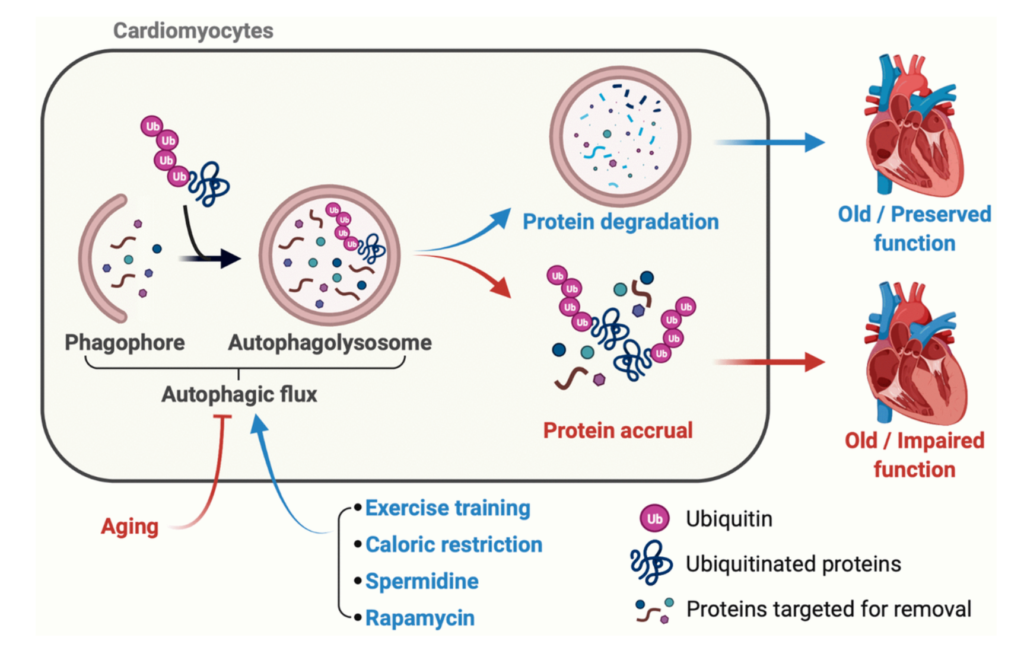
Figure 1. Late-in-life exercise training boosts autophagic flux to an extent that rejuvenates cardiac function.
Figure 1. Late-in-life exercise training boosts autophagic flux to an extent that rejuvenates cardiac function.
Listen to an audio version of this article

Cardiac dysfunction is a major public health concern. While it can occur for various reasons at any age, the prevalence of cardiac dysfunction dramatically increases with advancing age. Unfortunately, the underlying mechanisms of age-related cardiac decline are still largely unknown. Thus, it is essential for researchers to uncover novel strategies to improve cardiac health at advanced ages.

Autophagic Flux

An important physiological process involved in maintaining cardiovascular homeostasis is autophagic flux. Autophagic flux is the process by which cells break down and recycle their own cellular components after they have become damaged or unnecessary. This process is essential for maintaining healthy cardiac function, as it slows age-related oxidative damage, reduces the accumulation of toxic lipid and protein aggregates, and improves energy metabolism. However, the efficiency of autophagic flux decreases with age, resulting in declined cardiac function.

Given its crucial role and fading functioning, the search for strategies to improve autophagic flux may be essential for improving cardiovascular health as humans age. Researchers Jae Min Cho, Rajeshwary Ghosh, Sohom Mookherjee, Sihem Boudina, and J. David Symons from the University of Utah authored a new research perspective about nutraceutical, lifestyle and pharmacological interventions that can reduce age-associated cardiac dysfunction. On December 1, 2022, their research perspective was published in Aging’s Volume 14, Issue 23, entitled, “Reduce, Reuse, Recycle, Run ! : 4 Rs to improve cardiac health in advanced age.”

“In the following sections we review evidence that age-associated cardiac dysfunction can be Reduced by boosting cardiomyocyte autophagy (i.e., the ability to Reuse and Recycle damaged/dysfunctional proteins) via spermidine, rapamycin, and caloric-restriction. In addition, we highlight a new report indicating that a physiological intervention i.e., Running, rejuvenates cardiomyocyte autophagic flux to an extent that lessens age-associated cardiac dysfunction.”

Late-in-Life Interventions

Late-in-life interventions to improve cardiac health are particularly important since many of the world’s elderly populations are reaching advanced age with limited resources. This means that proven, inexpensive and accessible interventions to reduce cardiac dysfunction may have a profound impact on these populations. In this research perspective, the authors discuss four key interventions that reduce age-associated cardiac dysfunction: spermidine, rapamycin, caloric restriction, and exercise training. These interventions can reduce age-associated cardiac dysfunction by improving cardiac autophagy.

In October 2021, Cho et al. published a novel research paper about their study on late-in-life treadmill training in mice and its impact on autophagy, protein aggregates and heart function. The results of this study provided the first evidence that late-in-life exercise training can rejuvenate autophagic flux, clear protein aggregates and attenuate aging-associated cardiac dysfunction. In another murine study, researchers demonstrated that calorie restriction activates AMPK and increases the expression of autophagy-associated genes in the heart muscles.

Spermidine is a polyamine found in certain foods, such as legumes and nuts. A 2016 study linked spermidine to reduced age-associated cardiac dysfunction by attenuating cardiac hypertrophy and preserving diastolic function. Rapamycin is an mTOR inhibitor, immunosuppressant and anti-cancer drug. In a 2013 study, Flynn et al. were the first to report the cardiovascular effects of rapamycin in the context of aging. Rapamycin’s cardiovascular benefits include repressed pro-inflammatory signaling in heart muscles, reduced hypertrophy and preserved systolic function.

Conclusion

As the world’s population continues to age, it is increasingly important to identify interventions that can reduce age-associated cardiac dysfunction while avoiding high costs and potential side effects. In this research perspective, the researchers discussed evidence that spermidine, rapamycin, calorie restriction, and exercise training can improve autophagic flux and reduce age-associated cardiac dysfunction. While the mechanisms responsible for these improvements have yet to be fully elucidated, these strategies are cost-effective, accessible and relatively safe for elderly populations, and could provide a valuable way to improve cardiac health in advanced age.

“Findings from Cho et al. suggest that age-associated cardiac dysfunction can be re-established by Reducing (physical inactivity), Reusing (lysosomal degradation products e.g., amino acids for ATP synthesis), Recycling (damaged intracellular organelles via the lysosome and other protein degradation pathways), and Running (or increasing physical activity via any mode that can be enjoyed regularly and safely by the individual) (Figure 1).”

Click here to read the full research perspective published by Aging.

Aging is an open-access journal that publishes research papers bi-monthly in all fields of aging research. These papers are available at no cost to readers on Aging-us.com. Open-access journals have the power to benefit humanity from the inside out by rapidly disseminating information that may be freely shared with researchers, colleagues, family, and friends around the world.

For media inquiries, please contact [email protected].

  • Follow Us